
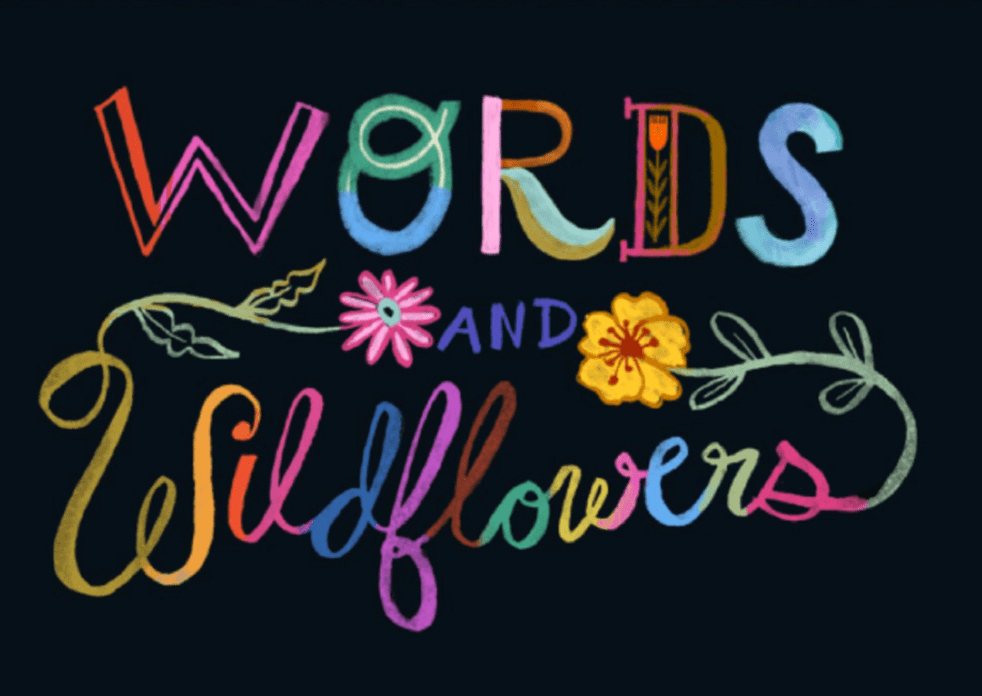
Words and Wildflowers Creative Prompts – Issue 16
We LOVE research and learning as a way to get inspired and boost ideas and creativity!! So, Kenzie and I are going to be sharing the inspiration that we collect here in our second newsletter…. once a week!!!
Here’s how it works:
We provide the inspiration. You interpret it however you wish… any medium, any size. It is meant to inspire lettering and floral art combined together. But, you can:
- Just do the florals, just do the lettering, or combine them together.
- Use the provided quote for your piece or select your own.
- Use colors from one of the inspiration images or select your own favorites
- Create the floral art… as a still life in a vase, a single flower, a border, a pattern, a bouquet
Hope you will create with us and post your work at #wordsandwildflowers2024 and tag @lorisiebert.studio and @snippetsofwhimsy
We will be checking and sharing some of our favorites. AND… there may be surprise guest judges and PRIZES!!!
Quote of the week:
“Not all of us can do great things. But we can do small things with great love.”
— Mother Teresa
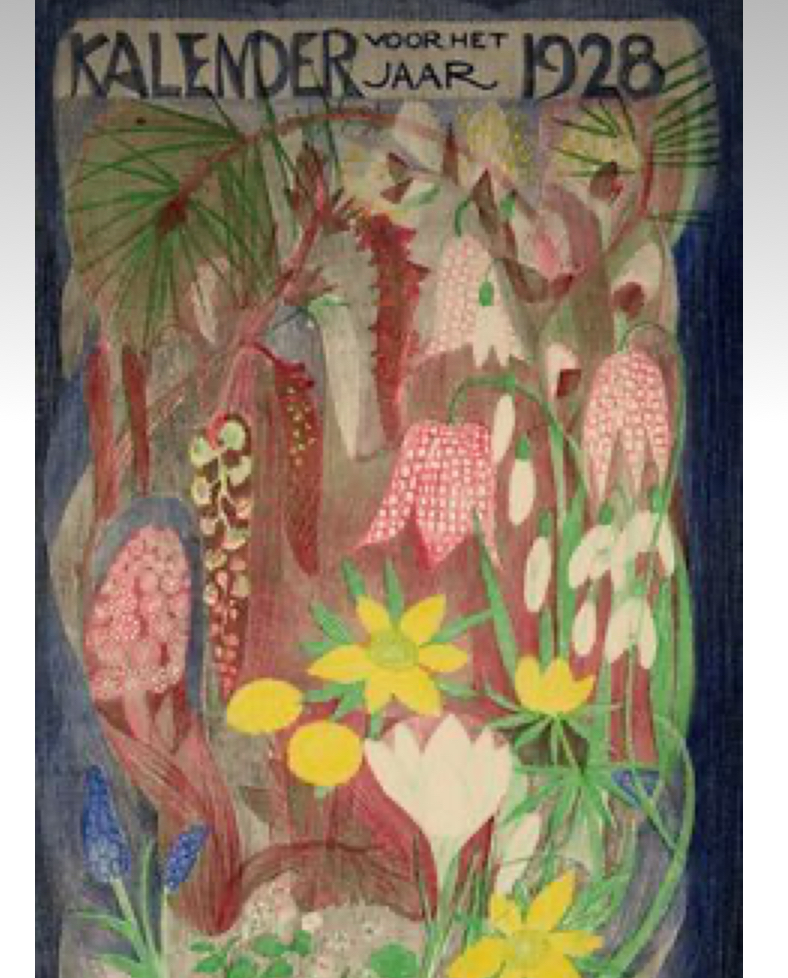
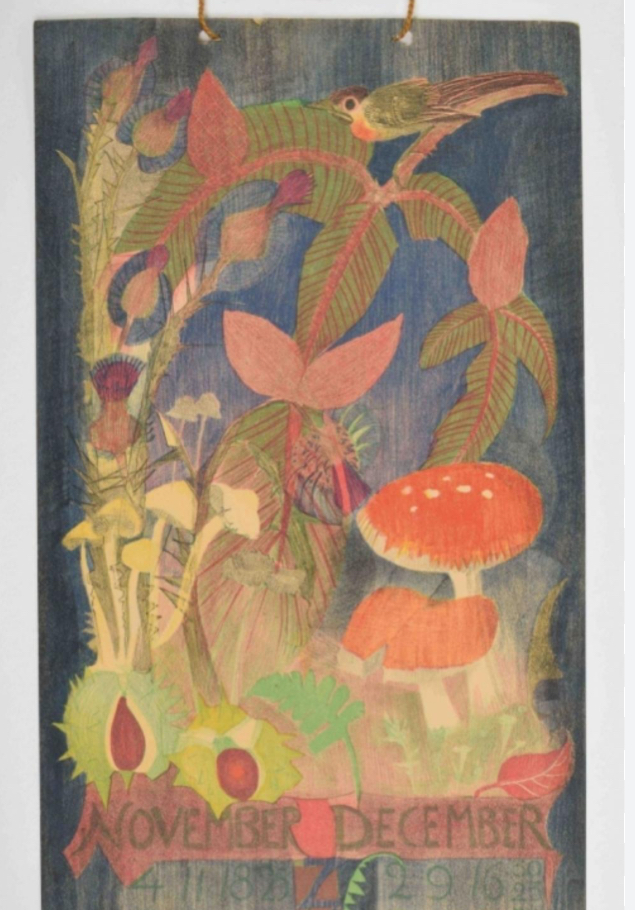
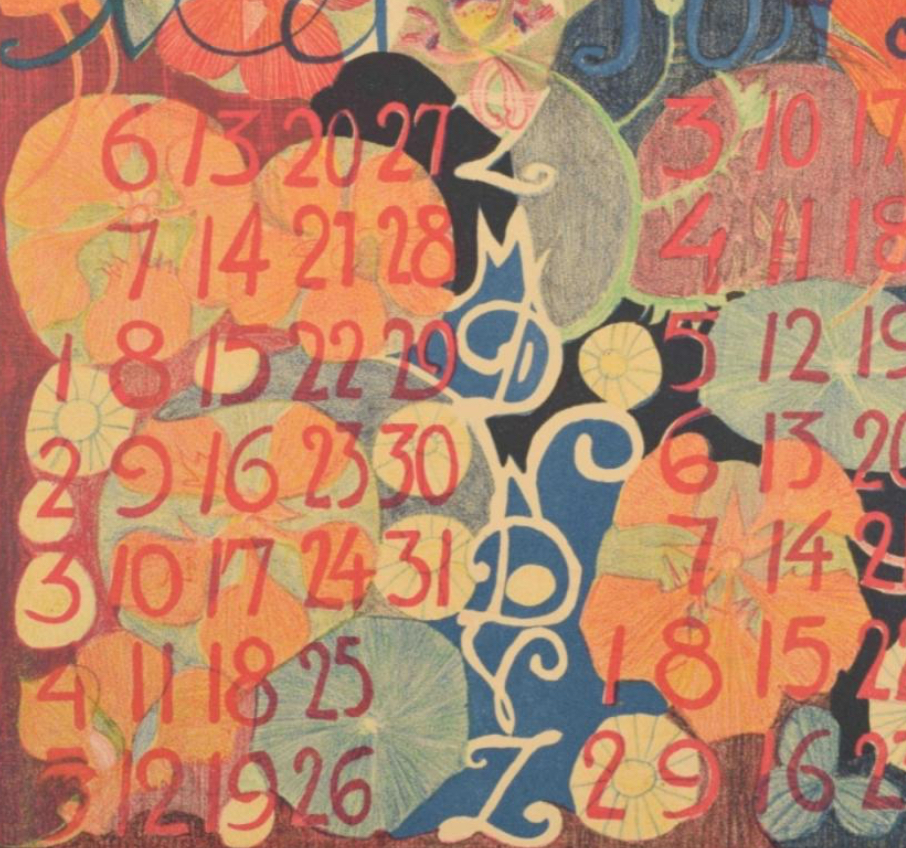
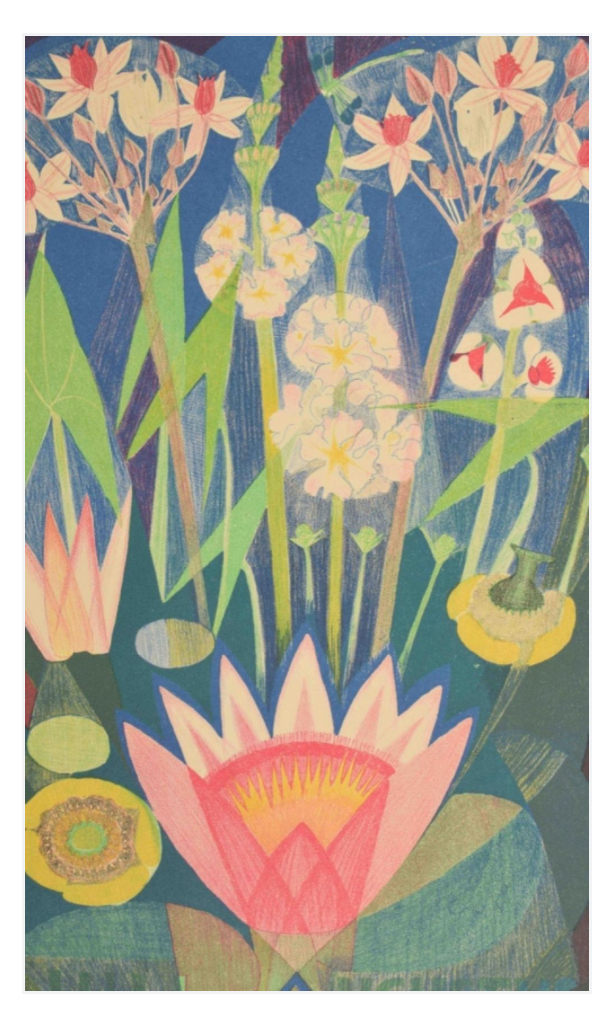
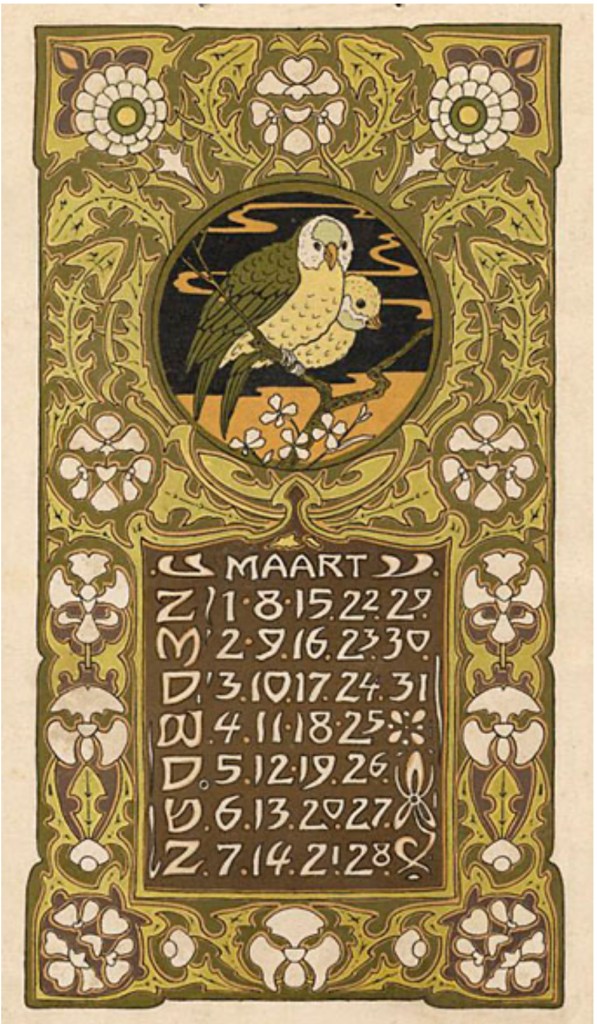
Inspirational Artist of the week: Leo Visser
Leo Visser (1880–1950) was a Dutch artist who created a number of calendars in addition to other decorative designs featuring plants and animals. Some of these examples the earliest, combining both flora and the fauna in a series of attractive Art Nouveau plates. You don’t see monkeys very often in Art Nouveau designs, for some reason they were more popular during the Art Deco period.


Hand lettering artist of the week: Maria Strick
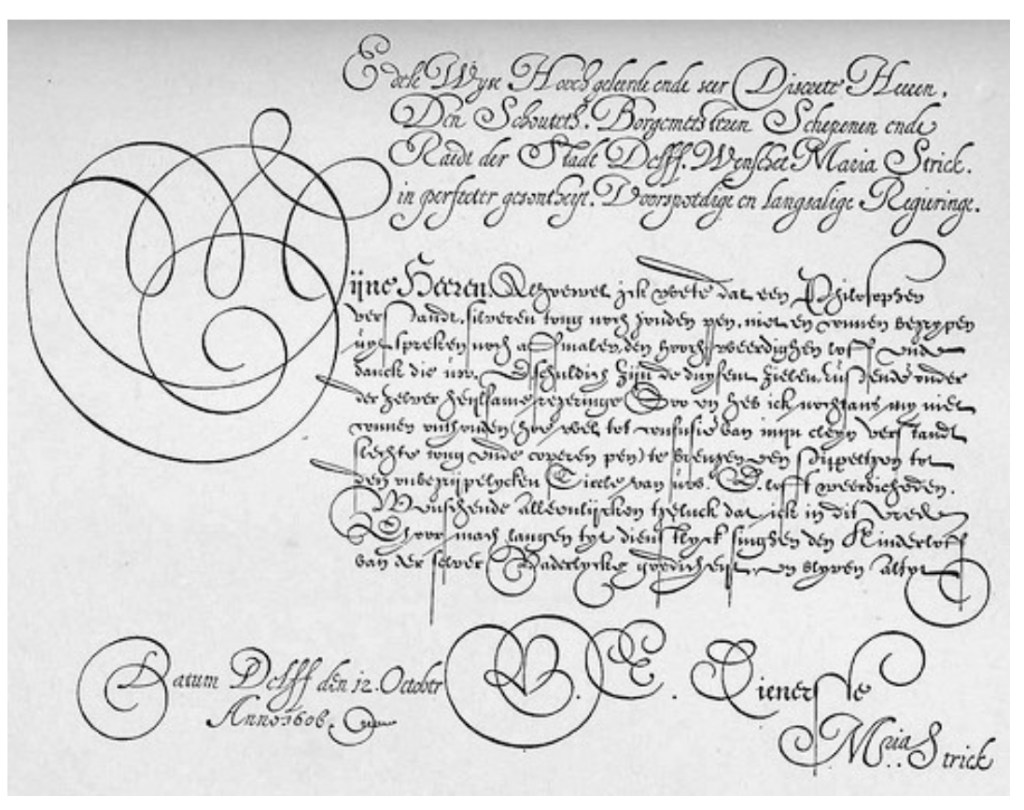
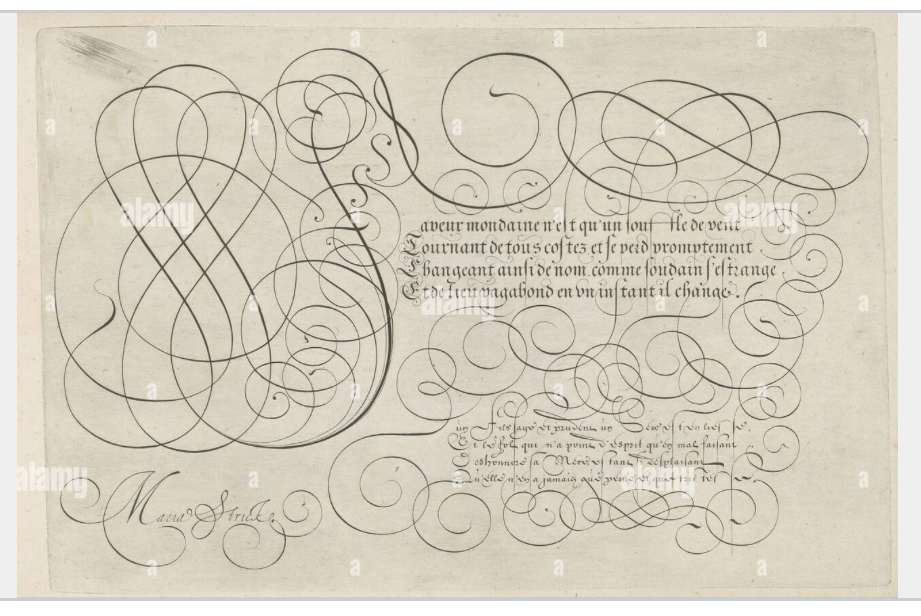
Maria Strick (née Becq; 1577–after 1631) was a Dutch schoolmistress and calligrapher. She published four writing manuals, making her a key figure in the so-called ‘golden age of Dutch calligraphy’ (c. 1590-1650) and virtually unique among women calligraphers until the twentieth century.
Maria Strick probably learned calligraphy from Jan van de Velde the Elder, one of the teachers working at her father’s school. It was to him that Strick dedicated her first writing manual, Tooneel der loflijkcke schrijfpen, which was published around 1607. Strick’s elegant handwriting was skilfully executed in copper print by her husband, who had devoted himself to the art of engraving.
Maria Strick was highly esteemed during her life, being awarded the second prize in the prestigious Plume du couronnée writing contest, held in The Hague in 1620. In particular, her skills in the Italian hand were unequalled. Apart from the four known writing manuals, which established her reputation, she made calligraphic captions for art prints, and several handwritten specimens have survived.

 Lori Siebert & Co.