
Words and Wildflowers Creative Prompts – Issue 17
We LOVE research and learning as a way to get inspired and boost ideas and creativity!! So, Kenzie and I are going to be sharing the inspiration that we collect here in our second newsletter…. once a week!!!

Here’s how it works:
We provide the inspiration. You interpret it however you wish… any medium, any size. It is meant to inspire lettering and floral art combined together. But, you can:
- Just do the florals, just do the lettering, or combine them together.
- Use the provided quote for your piece or select your own.
- Use colors from one of the inspiration images or select your own favorites
- Create the floral art… as a still life in a vase, a single flower, a border, a pattern, a bouquet
Hope you will create with us and post your work at #wordsandwildflowers2024 and tag @lorisiebert.studio and @snippetsofwhimsy
We will be checking and sharing some of our favorites. AND… there may be surprise guest judges and PRIZES!!!
Quote of the week:
“Carpe diem. Seize the day. Make your life extraordinary.”
—Dead Poets Society, 1989
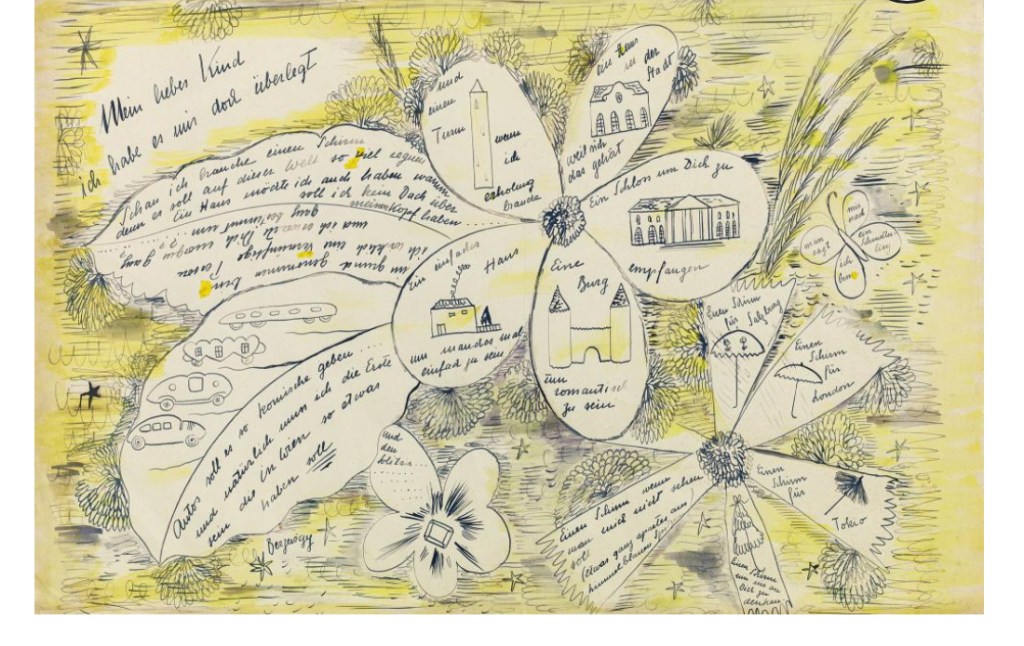
Inspirational Artist of the week: Federico von Berzeviczy-Pallavicini
Demel, the oldest Viennese confectionery, was founded in 1799. They are admired as much for their decadent chocolates and candies as for the packaging designed by Swiss baron Federico von Berzeviczy-Pallavicini (1909-1989). Pallavicini was a visionary artist and designer, and studied fine arts in Vienna where he was strongly influenced by the Wiener Werkstätte movement. In the late 1920s, he was introduced to Demel by architect and designer Josef Hoffmann—launching his career as a visionary designer of wrapping papers, packaging and ornate window displays. Pallavicini’s work is consistently recognized by his use of lively overall pattern and hand lettering with a distinctively flamboyant style. His box designs with hinged lids seen above, are likely dated sometime in the 1930s.


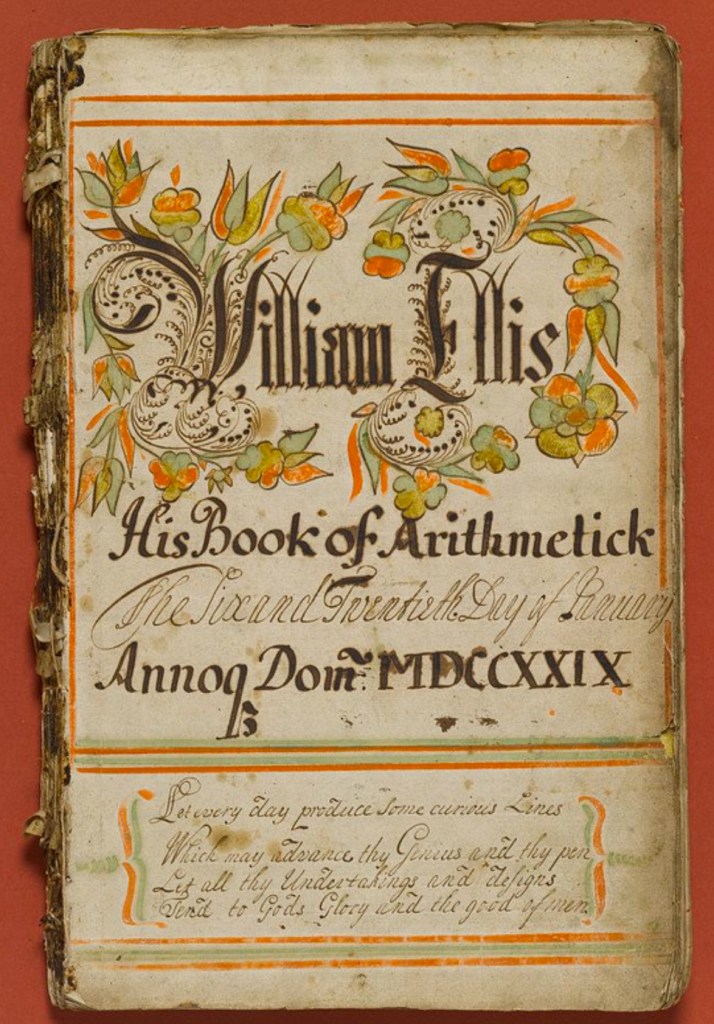
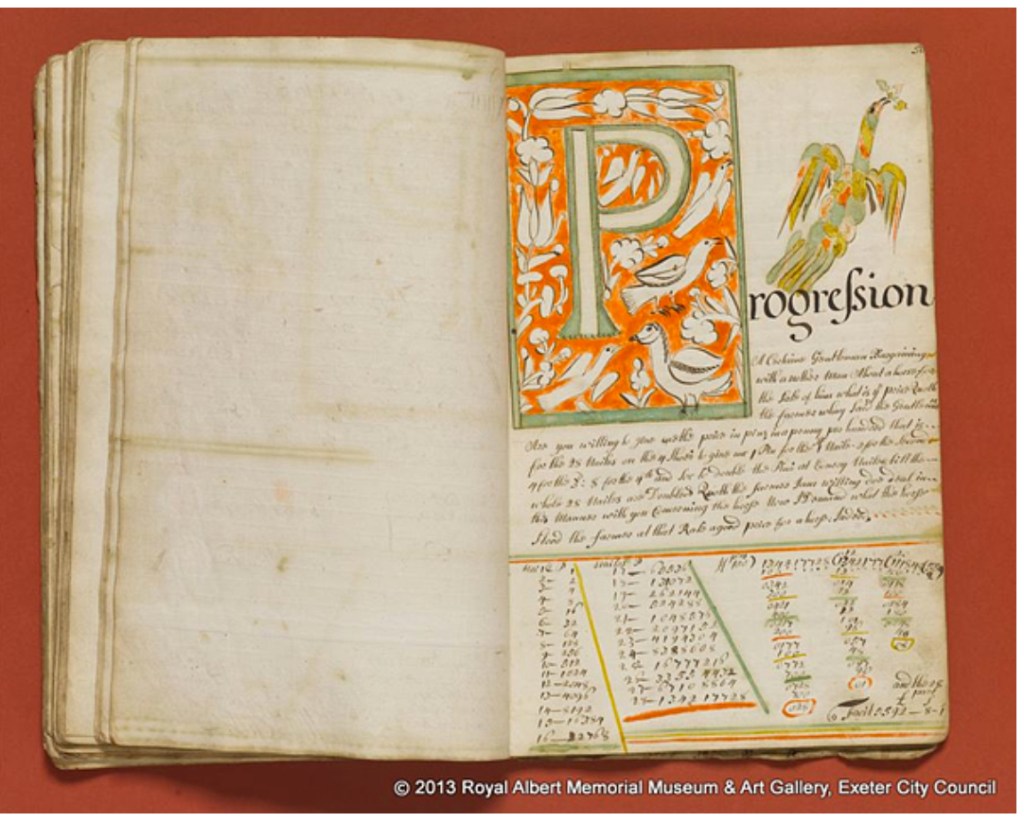
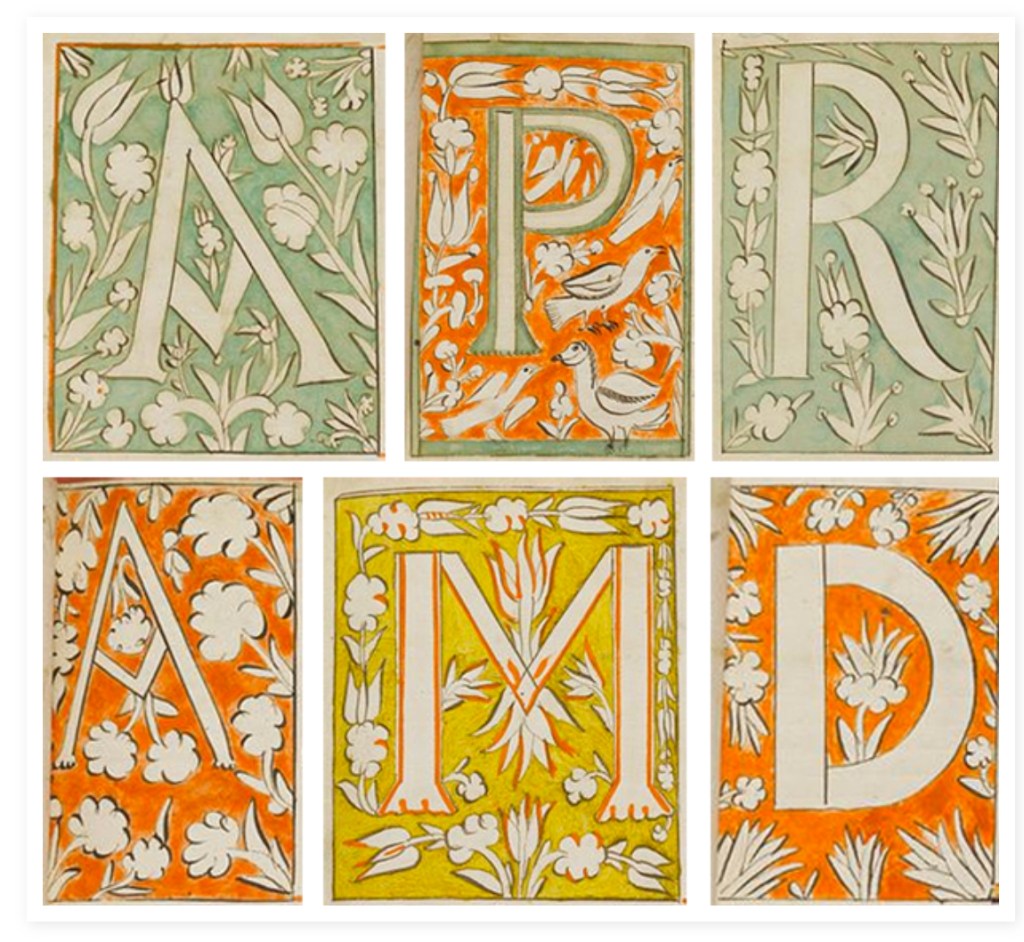
Hand lettering inspiration of the week: William Ellis
This exercise book once belonged to William Ellis, an artistic young student who was studying his arithmetic lessons. It was excavated in Exeter, England years ago and now sits in the Royal Albert Memorial Museum archives. Ellis began his book in 1729, and filled it with his calculations, measurements, flourishes and ornaments. He then hand painted the same three additional colors onto each page with great attention to detail. Many pages had colorful display headings with birds, flowers and medieval-looking creatures. His hand-lettering skills were capable, but “needs improvement” as any teacher might well suggest. Neatness was not his strongest suit. Exercise books in Georgian England were commonly used by school children to practice lessons plans while perfecting their art and valued penmanship skills. These talents indicated you were a literate person of culture and good standing. All learning had great value and was considered virtuous. Creating beautifully illustrated lesson books with polished hand-lettering was intended to honor content, while building good character.



 Lori Siebert & Co.