
Words and Wildflowers Creative Prompts – Issue 60
Posted on September 1, 2025
We LOVE research and learning as a way to get inspired and boost ideas and creativity!! So, Kenzie and I are going to be sharing the inspiration that we collect here in our second newsletter…. once a week!!!
Here’s how it works:
We provide the inspiration. You interpret it however you wish… any medium, any size. It is meant to inspire lettering and floral art combined together. But, you can:
- Just do the florals, just do the lettering, or combine them together.
- Use the provided quote for your piece or select your own.
- Use colors from one of the inspiration images or select your own favorites
- Create the floral art… as a still life in a vase, a single flower, a border, a pattern, a bouquet
Hope you will create with us and post your work at #wordsandwildflowers2024 and tag @lorisiebert.studio and @snippetsofwhimsy
Quote of the week…
“Thank your body in all ways. It is a highly tuned instrument of ancient, electric brilliance deserving of deep daily love.”
— Victoria Erickson (Author, Edge of Wonder)
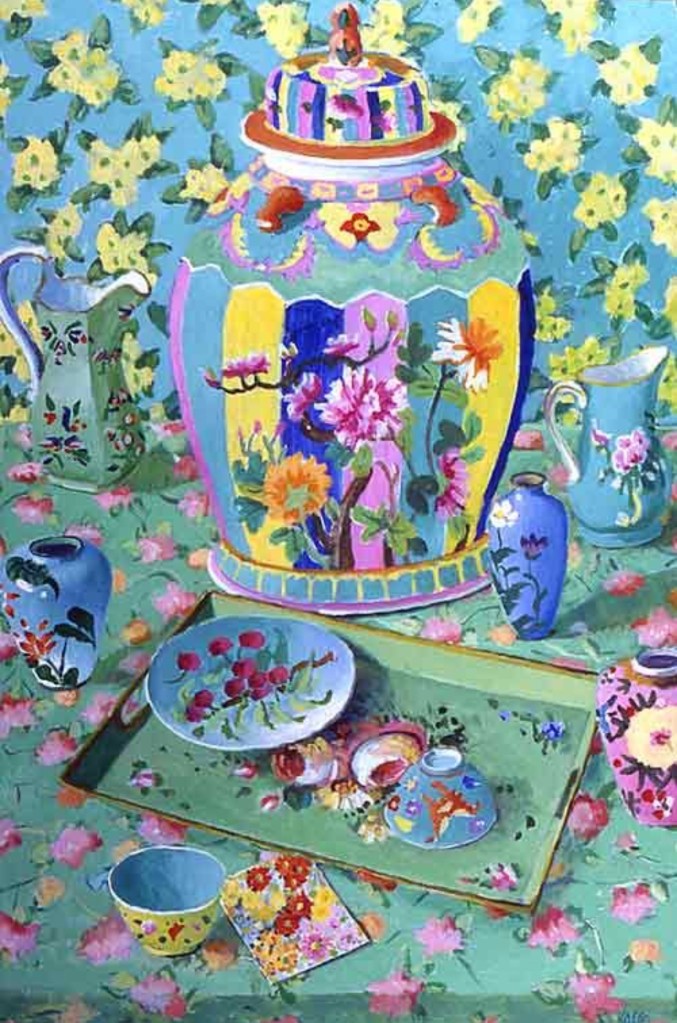
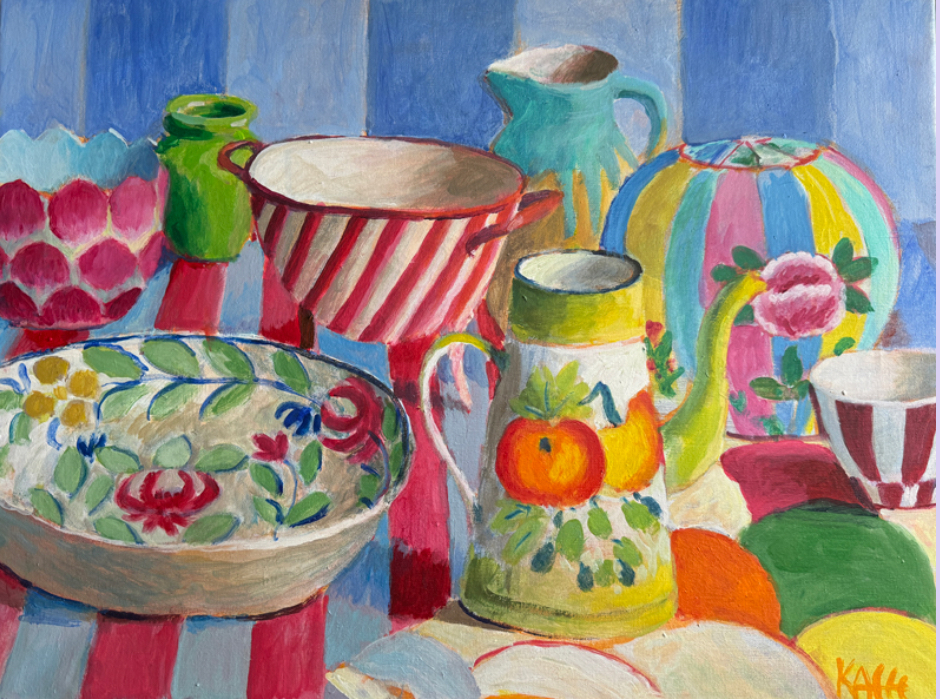
Inspirational Artist of the week: Kaffe Fasset
Frank Havrah “Kaffe” Fassett, MBE (born December 7, 1937) is an American-born, British-based artist who is best known for his colourful designs in the decorative arts—needlepoint, patchwork, knitting, painting and ceramics.While still a child, Fassett renamed himself after an Egyptian boy character from the book Boy of the Pyramid by Ruth Fosdick Jones. His name rhymes with ‘safe asset’.
The second of five children, Fassett was born on December 7, 1937, in San Francisco, California,to parents William and Madeleine, who built the successful Nepenthe in Big Sur, California. He is the great-grandson of the wealthy businessman, lawyer and United States Congressman Jacob Sloat Fassett, and it was his great-great grandparents who founded the Crocker Art Museum in Sacramento, California. He received a scholarship to the School of the Museum of Fine Arts, Boston at the age of 19, but shortly left school to paint in London and moved there to live in 1964.




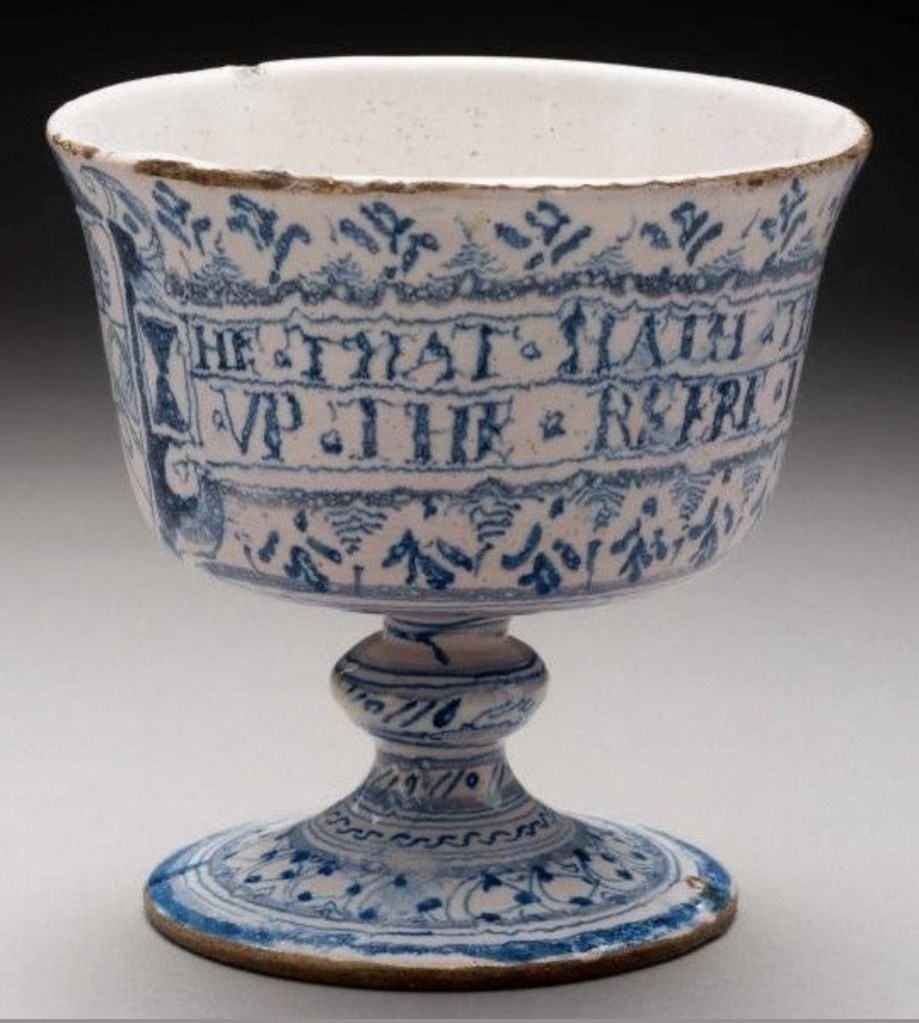
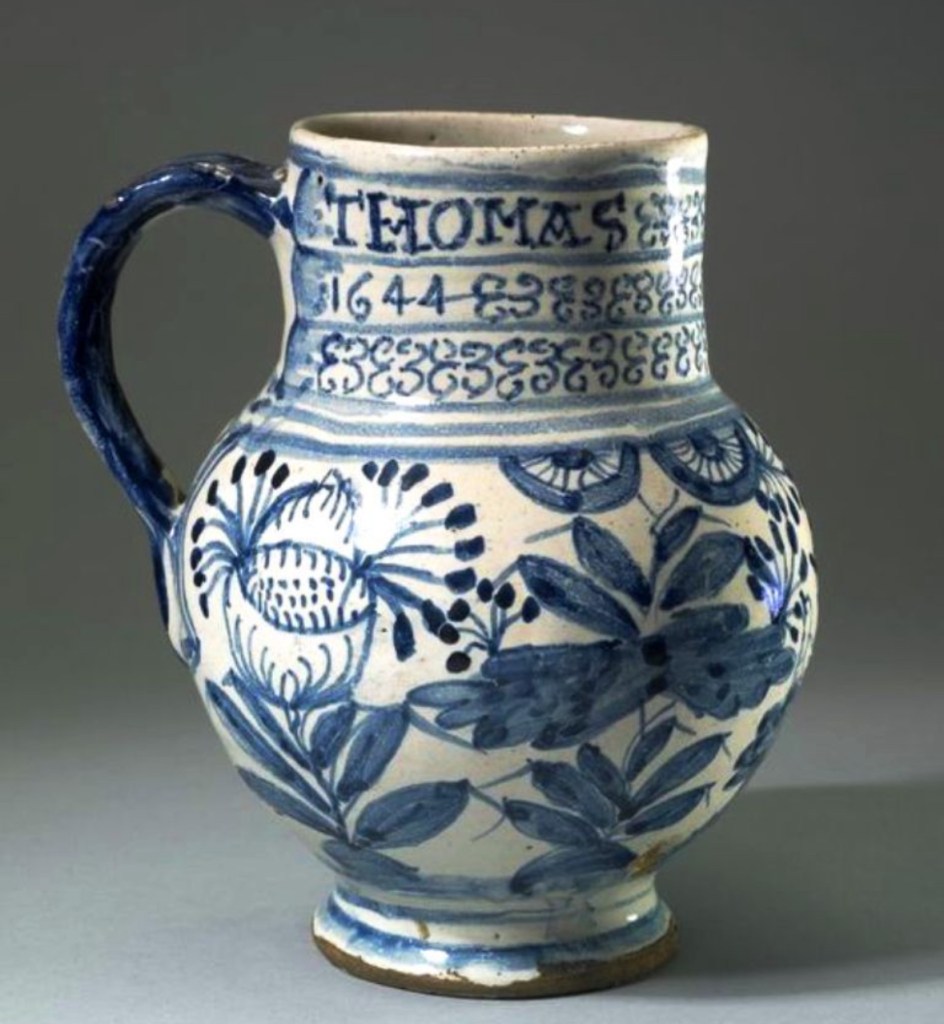
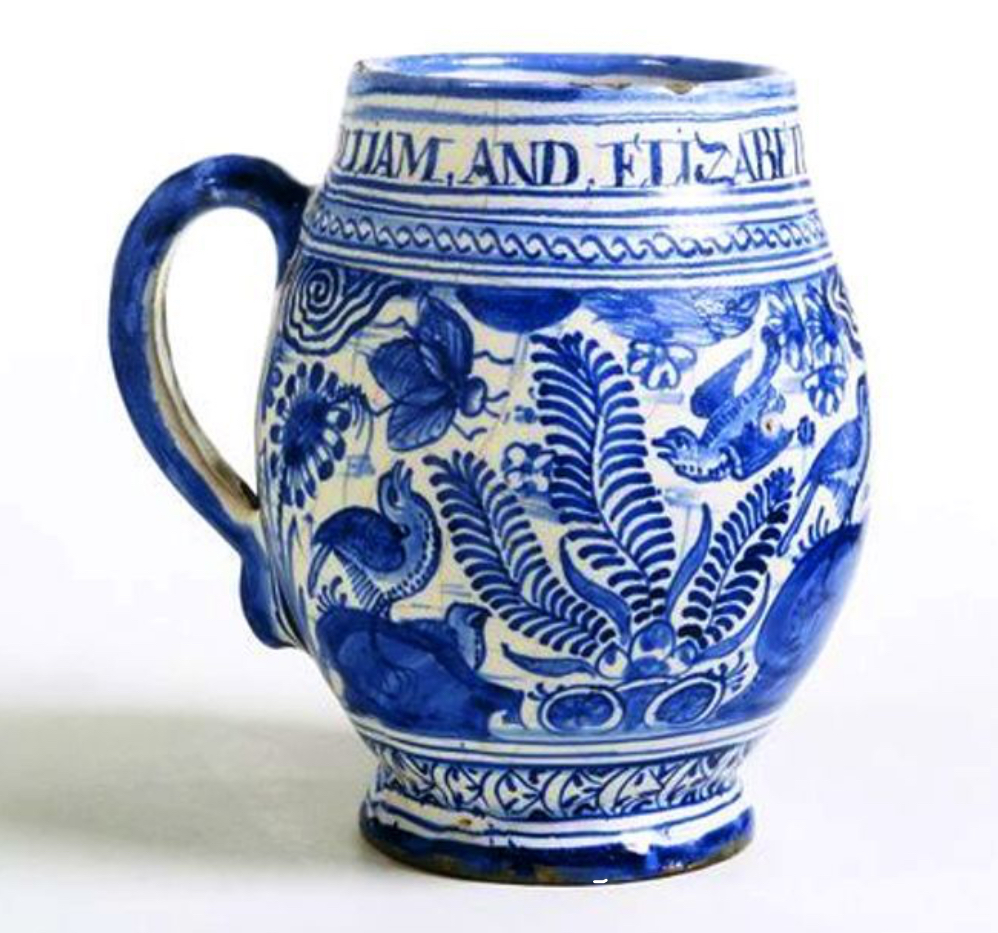
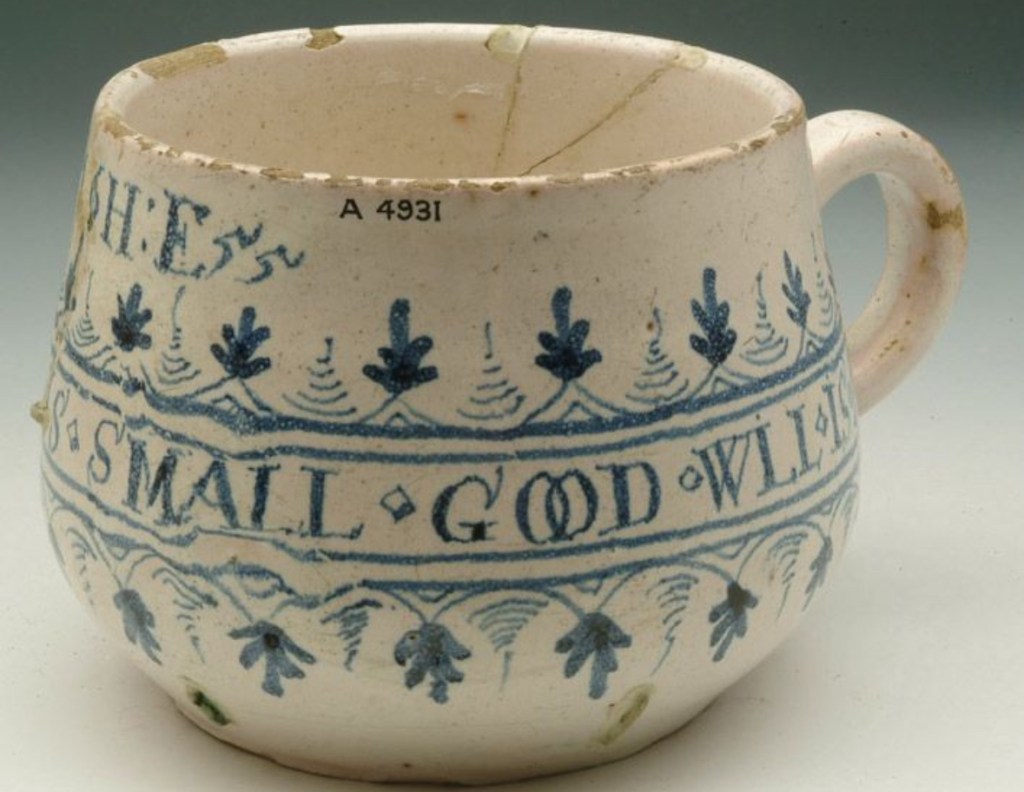
Hand lettering inspiration of the week: English Delftware
English Delftware originated in the 16th century when Italian immigrants brought tin-glazing techniques to the Low Countries and then to England, primarily through Antwerp, Belgium. Antwerp potters, such as Jasper Andries and Jacob Jansen, later established production in Norwich, England, around 1567, spreading the craft to London and other centers. Initially known as “galleyware,” the production of tin-glazed earthenware was named “Delftware” after the Dutch city of Delft, a major producer of the style, by the early 18th century.


 Lori Siebert & Co.