
Words and Wildflowers Creative Prompts – Issue 68
We LOVE research and learning as a way to get inspired and boost ideas and creativity!! So, Kenzie and I are going to be sharing the inspiration that we collect here in our second newsletter…. once a week!!!
Here’s how it works:
We provide the inspiration. You interpret it however you wish… any medium, any size. It is meant to inspire lettering and floral art combined together. But, you can:
- Just do the florals, just do the lettering, or combine them together.
- Use the provided quote for your piece or select your own.
- Use colors from one of the inspiration images or select your own favorites
- Create the floral art… as a still life in a vase, a single flower, a border, a pattern, a bouquet
Hope you will create with us and post your work at #wordsandwildflowers2024 and tag @lorisiebert.studio and @snippetsofwhimsy
Quote of the week…
“The world of reality has its limits… the world of imagination is boundless.”
— Quote from the movie “White Bird”
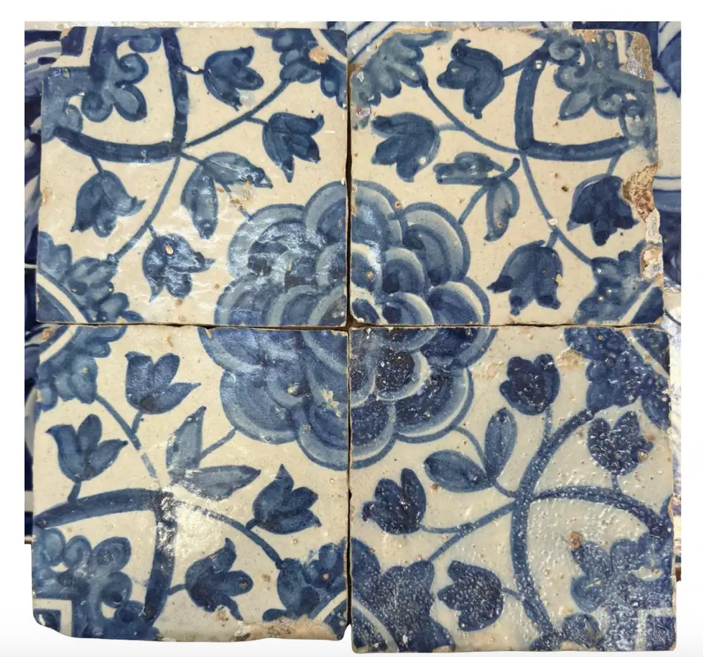
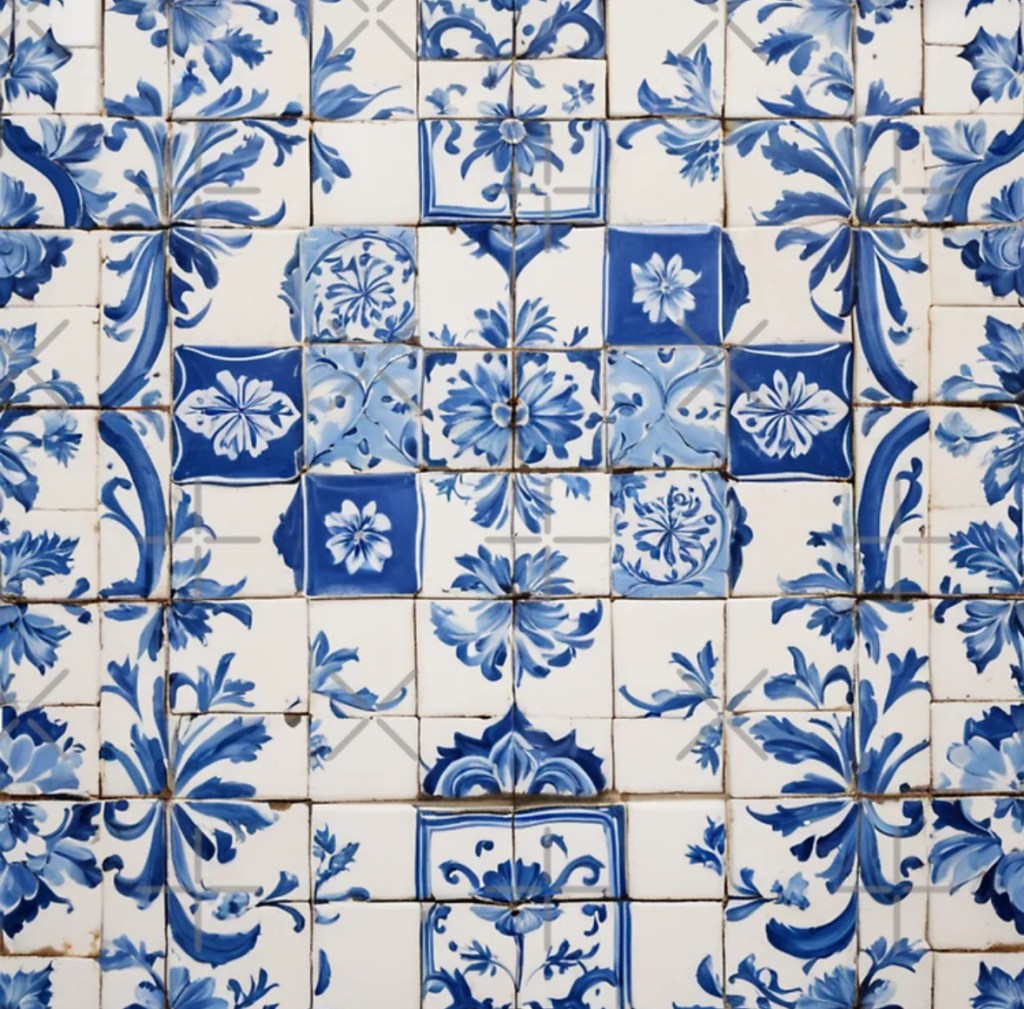
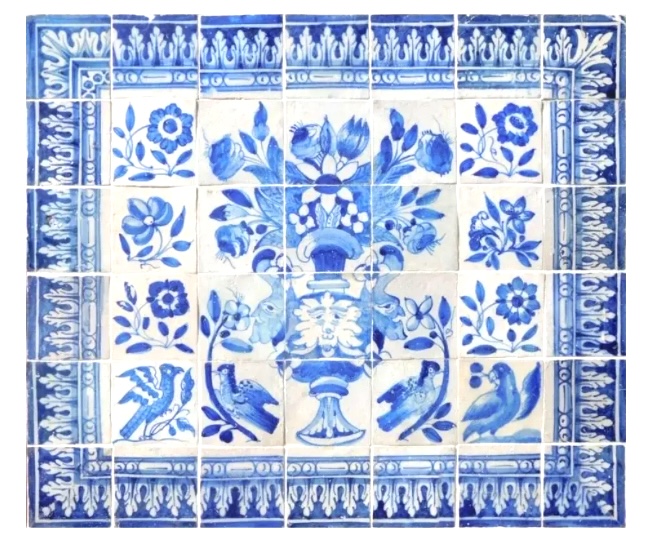
Inspiration of the week: Portuguese tiles
The significance of cobalt blue in azulejos lies in its association with the prestigious Chinese porcelain and its evolution in the painting of Portuguese tiles from the late 17th century.
This color became prominent, often used in combination with white, and played an important role in the aesthetics and evolution of tile art in Portugal. Its popularity endures to this day, being considered a fashionable color for home painting and a lasting trend. Additionally, cobalt blue also played a revolutionary role in Chinese ceramics, being one of the most well-known tones in blue and white porcelain. Therefore, the importance of cobalt blue in azulejos is rooted in its history, influence on art and design, and its enduring aesthetic appeal. This color scheme has become prominent due to the influence of the Mudejar-style tiles, which King Manuel I of Portugal discovered in Seville, Spain, in 1498. Blue and white tiles have become a distinctive feature of tile art in Portugal and are widely used in the decoration of buildings, churches, and monuments throughout the country. The popularity and durability of these colors have contributed to their prominence in Portuguese tile art and culture.



Hand lettering inspiration of the week: Andrade de Figueiredo
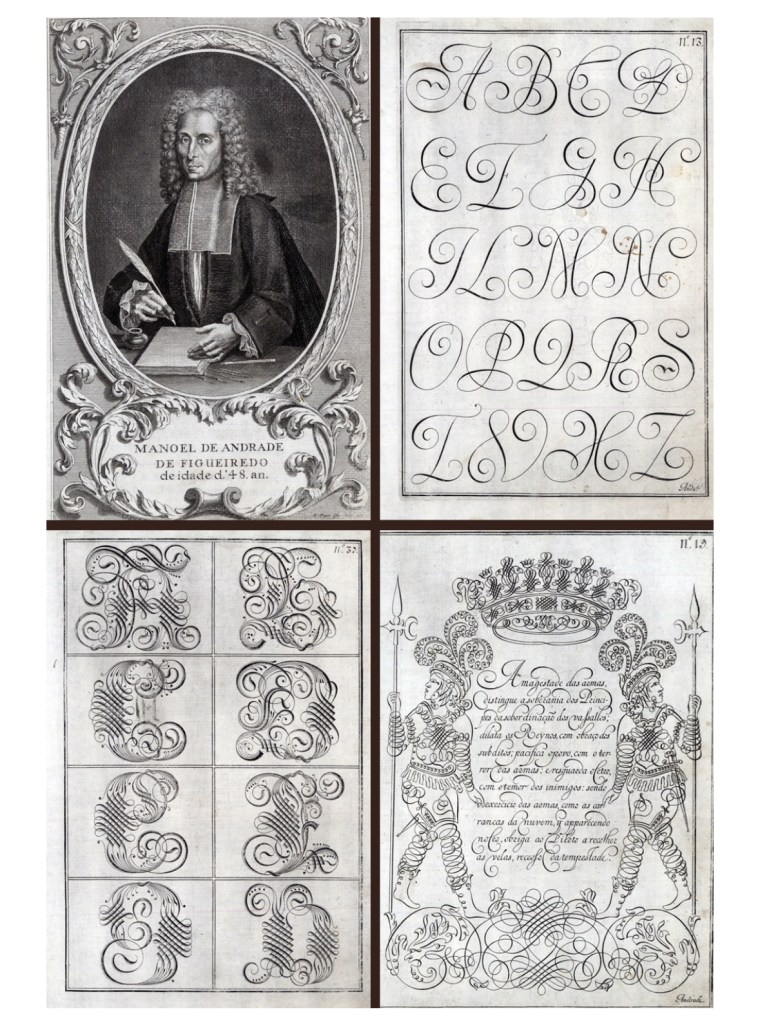
Portuguese penman of the 17th century, 1670-1722. Some say 1670–1735. Andrade de Figueiredo was born in Espirito Santo, where his father was Governor of the Capitania. His work follows the style of the great Italian masters in its use of clubbed ascenders and descenders, and of Diaz Morante, the famous Spanish writing master, in its very elaborate show of command of hand.
Author of Writing Book (1721, in Portuguese), in which we can find exceptional flourish work.
His work inspired Ventura da Silva, a Portuguese typographer who published Regras Methodicas in 1803, who redesigned some of Figueiredo’s type specimens.


 Lori Siebert & Co.