Words and Wildflowers Creative Prompts – Issue 82
We LOVE research and learning as a way to get inspired and boost ideas and creativity!! So, Kenzie and I are going to be sharing the inspiration that we collect here in our second newsletter…. once a week!!!
Here’s how it works:
We provide the inspiration. You interpret it however you wish… any medium, any size. It is meant to inspire lettering and floral art combined together. But, you can:
- Just do the florals, just do the lettering, or combine them together.
- Use the provided quote for your piece or select your own.
- Use colors from one of the inspiration images or select your own favorites
- Create the floral art… as a still life in a vase, a single flower, a border, a pattern, a bouquet
Hope you will create with us and post your work at #wordsandwildflowers2026 and tag @lorisiebert.studio and @snippetsofwhimsy
Quote of the week…
“The good you do today, people will often forget tomorrow;
do good anyway.
Give the world the best you have, and it may never be enough;
give the world the best you’ve got anyway.”
— Mother Teresa
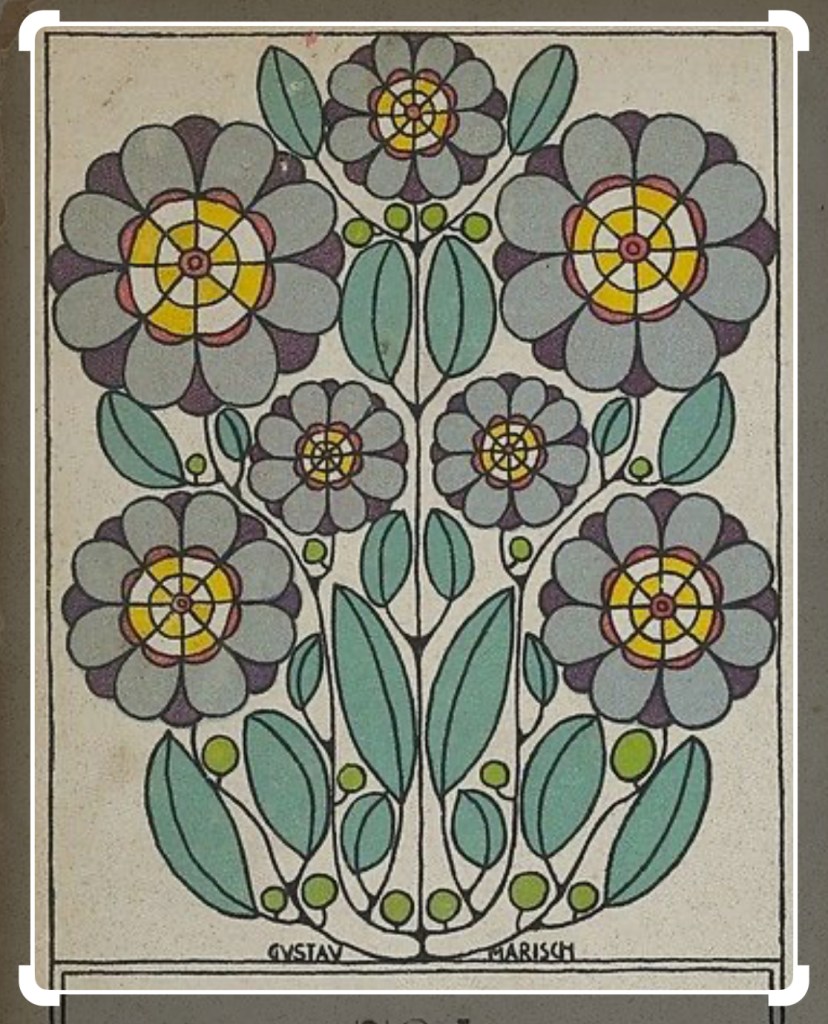
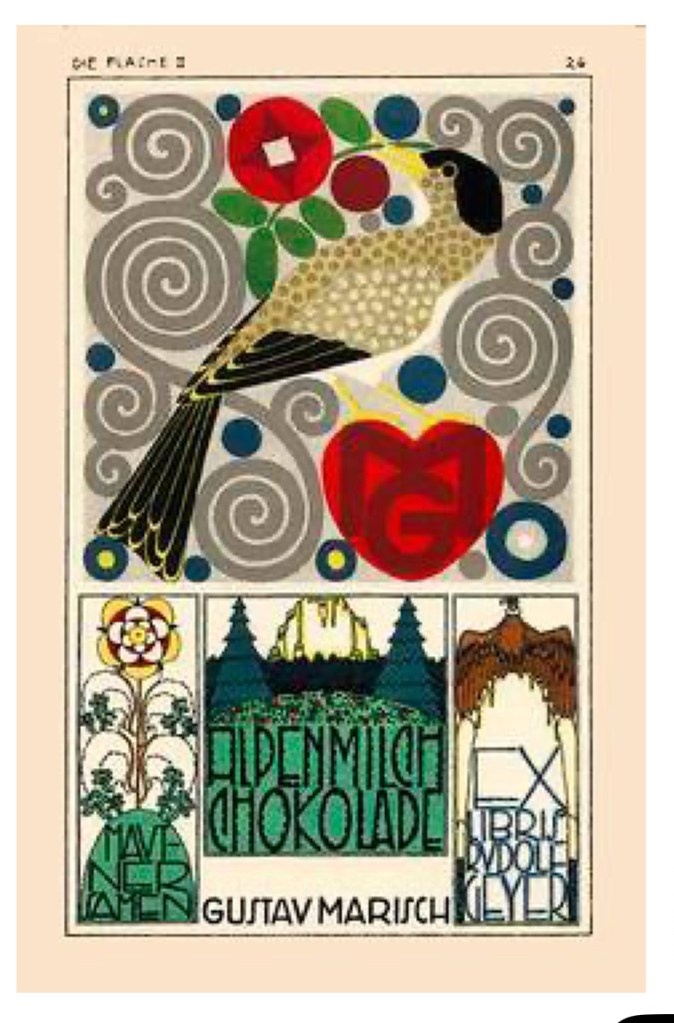
Inspirational artist of the week: Gustav Marisch
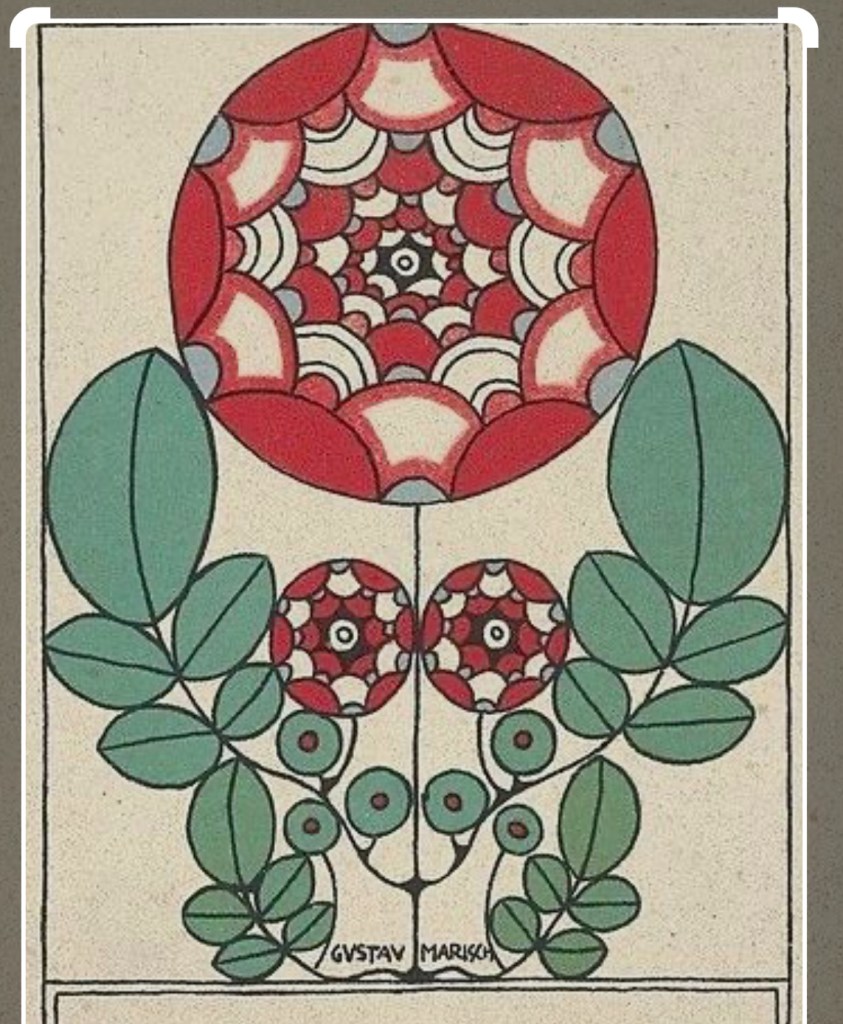
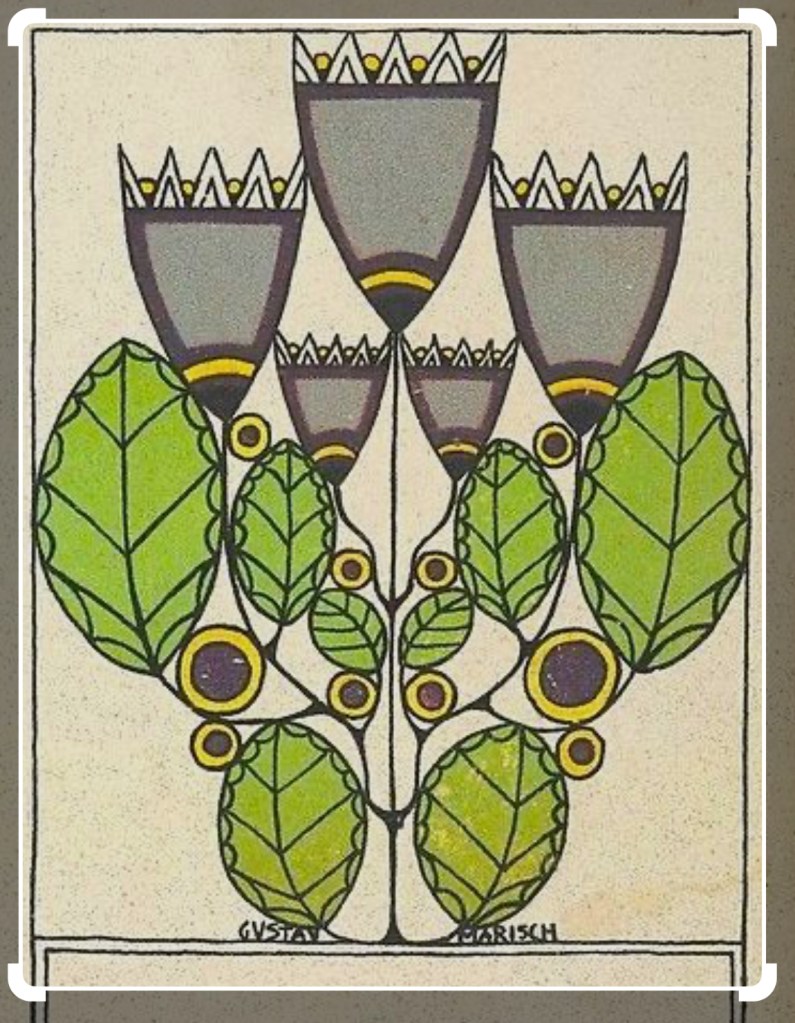
Gustav Marisch (1887–?, Austrian) was a graphic designer and glass designer who studied in Vienna. He was associated with the Vienna Secession and participated in the Wiener Werkstätte, contributing to the development of modern Austrian design through work that bridged graphic clarity and refined material craftsmanship.

Hand lettering artist of the week: Paul Bommer
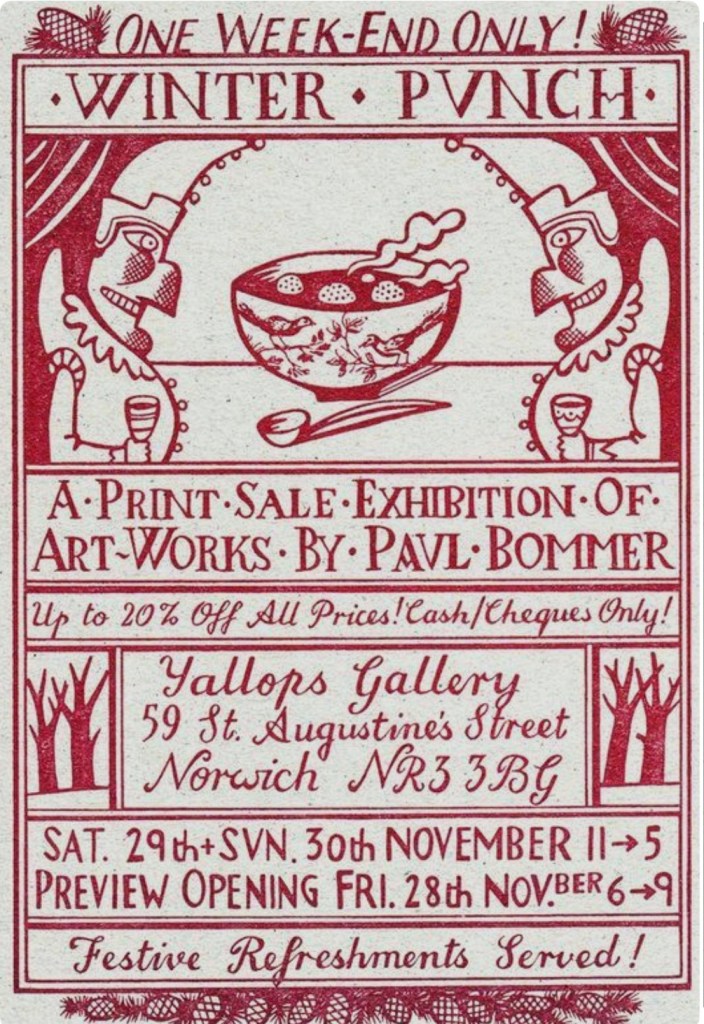
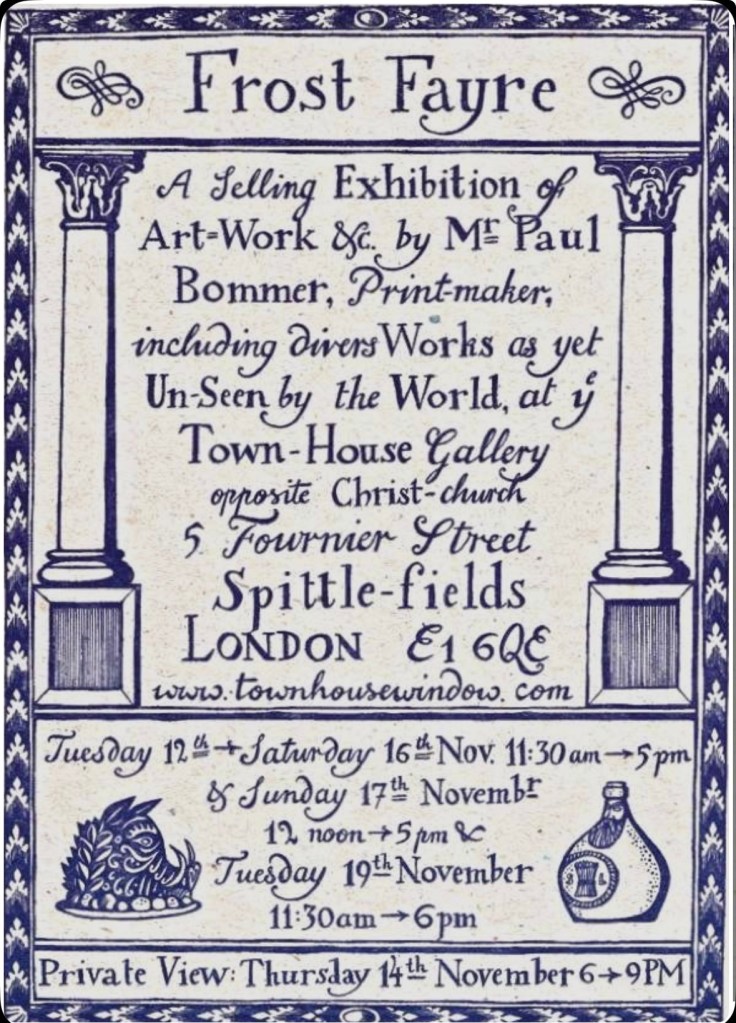
Paul Bommer is a British artist and illustrator celebrated for his distinctive visual style, which blends traditional folk imagery with contemporary wit. Rooted in a deep appreciation for narrative, folklore, and historical design, his work spans a variety of media including prints, ceramics, textiles, and public art. Bommer is known for his strong draughtsmanship, hand-rendered typography, and richly layered symbolism, which often draw upon English heritage and vernacular art traditions.
Educated at the prestigious Central Saint Martins College of Art and Design in London, Bommer refined a visual language that marries classical illustration techniques with a modern sensibility. His training provided a strong technical foundation and an openness to cross-disciplinary work, elements that have remained central to his practice.
Over the years, Bommer has built a reputation for works that are both playful and erudite. His linocuts and woodcuts frequently explore themes such as folklore, nautical mythology, religious iconography, and regional British customs. His visual storytelling is often infused with humour, irony, and a love for detail, making his work both accessible and intellectually engaging.