Words and Wildflowers Creative Prompts – Issue 94
We LOVE research and learning as a way to get inspired and boost ideas and creativity!! So, Kenzie and I are going to be sharing the inspiration that we collect here in our second newsletter…. once a week!!!
Here’s how it works:
We provide the inspiration. You interpret it however you wish… any medium, any size. It is meant to inspire lettering and floral art combined together. But, you can:
- Just do the florals, just do the lettering, or combine them together.
- Use the provided quote for your piece or select your own.
- Use colors from one of the inspiration images or select your own favorites
- Create the floral art… as a still life in a vase, a single flower, a border, a pattern, a bouquet
Hope you will create with us and post your work at #wordsandwildflowers2026 and tag @lorisiebert.studio and @snippetsofwhimsy
Quote of the week…
“Use me, God.
Show me how to take who I am,
who I want to be, and what I can do,
and use it for a purpose greater than myself.”
— Martin Luther King Jr.
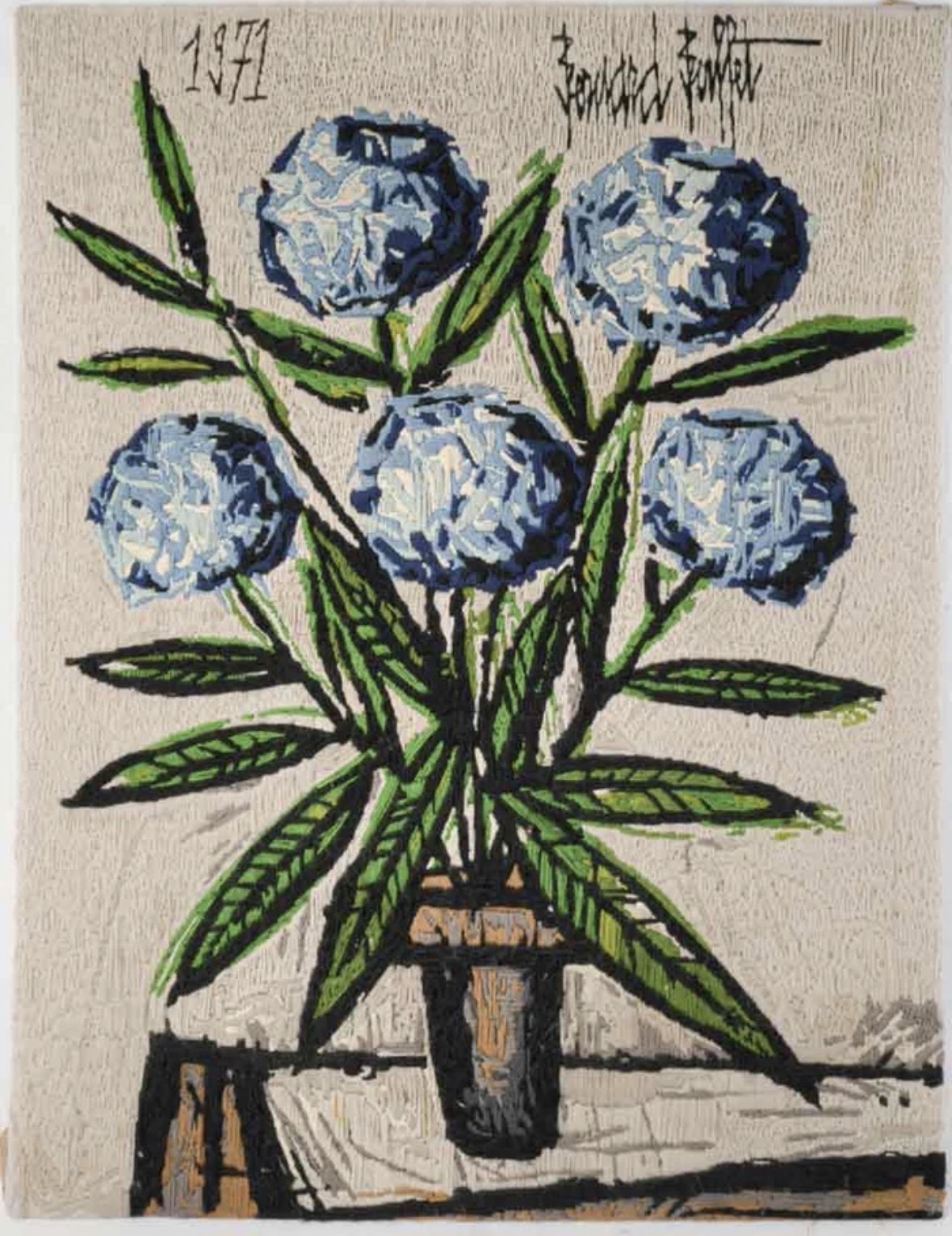
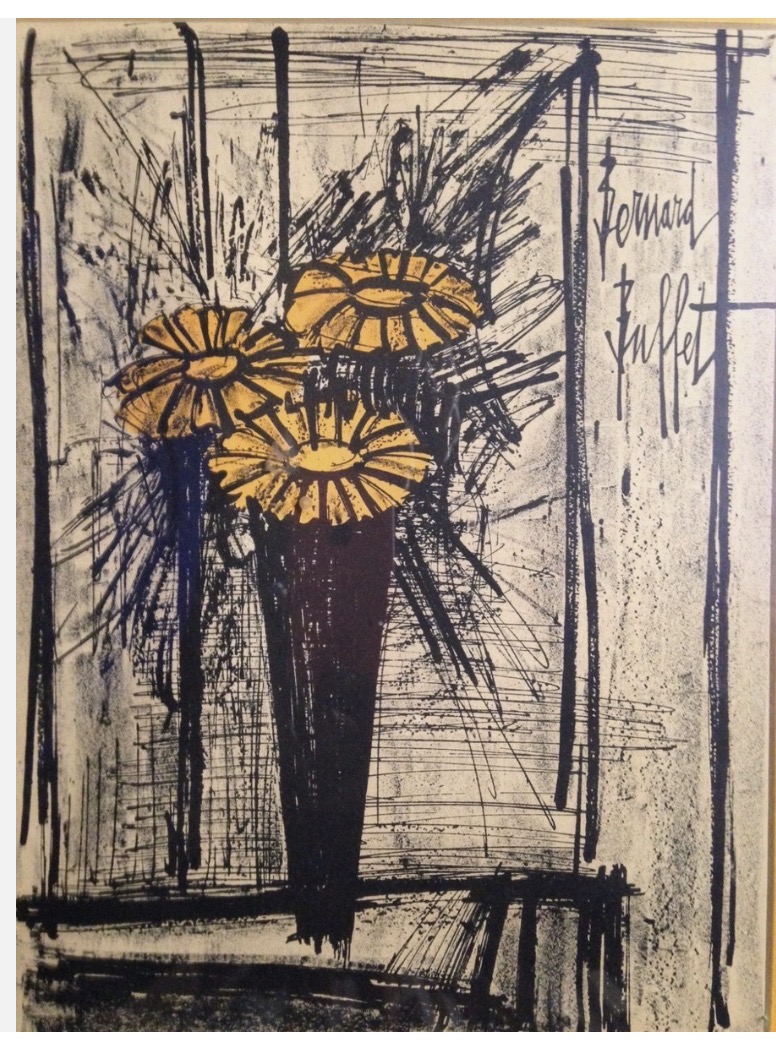
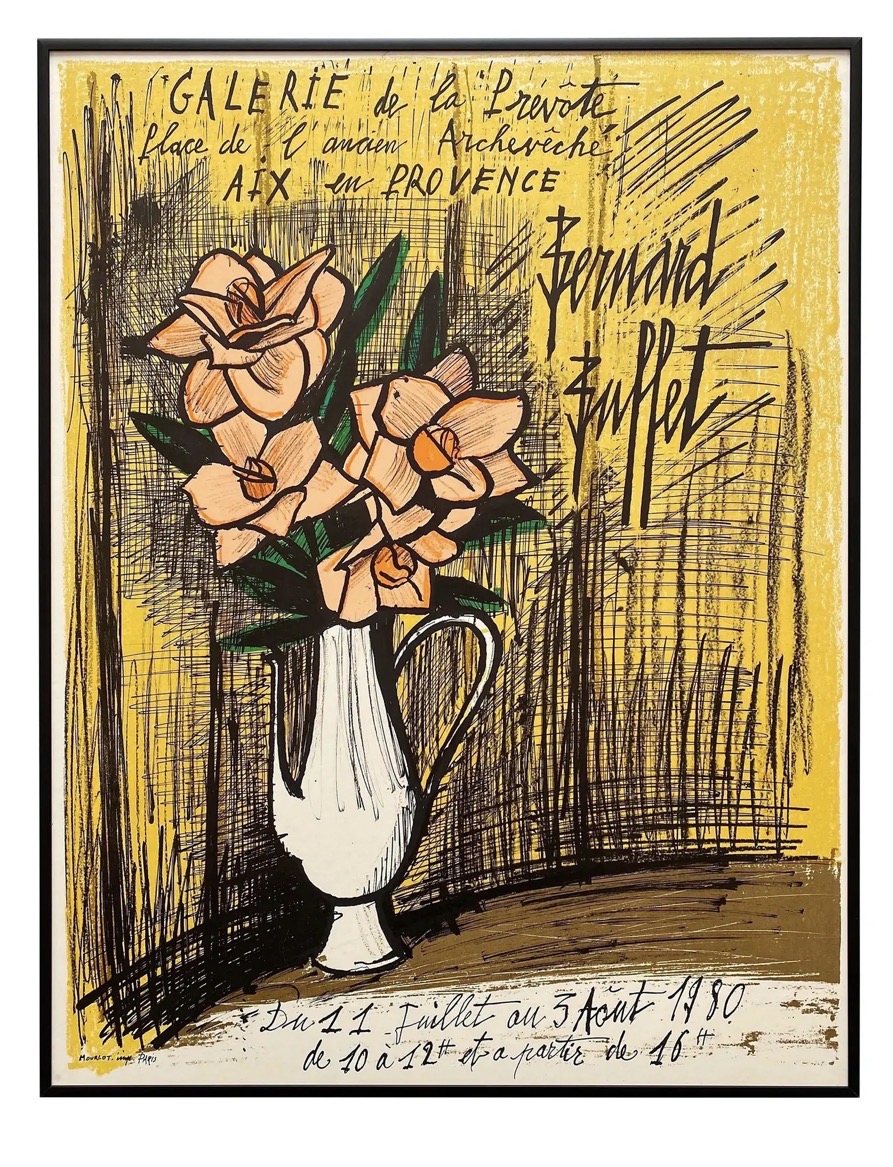
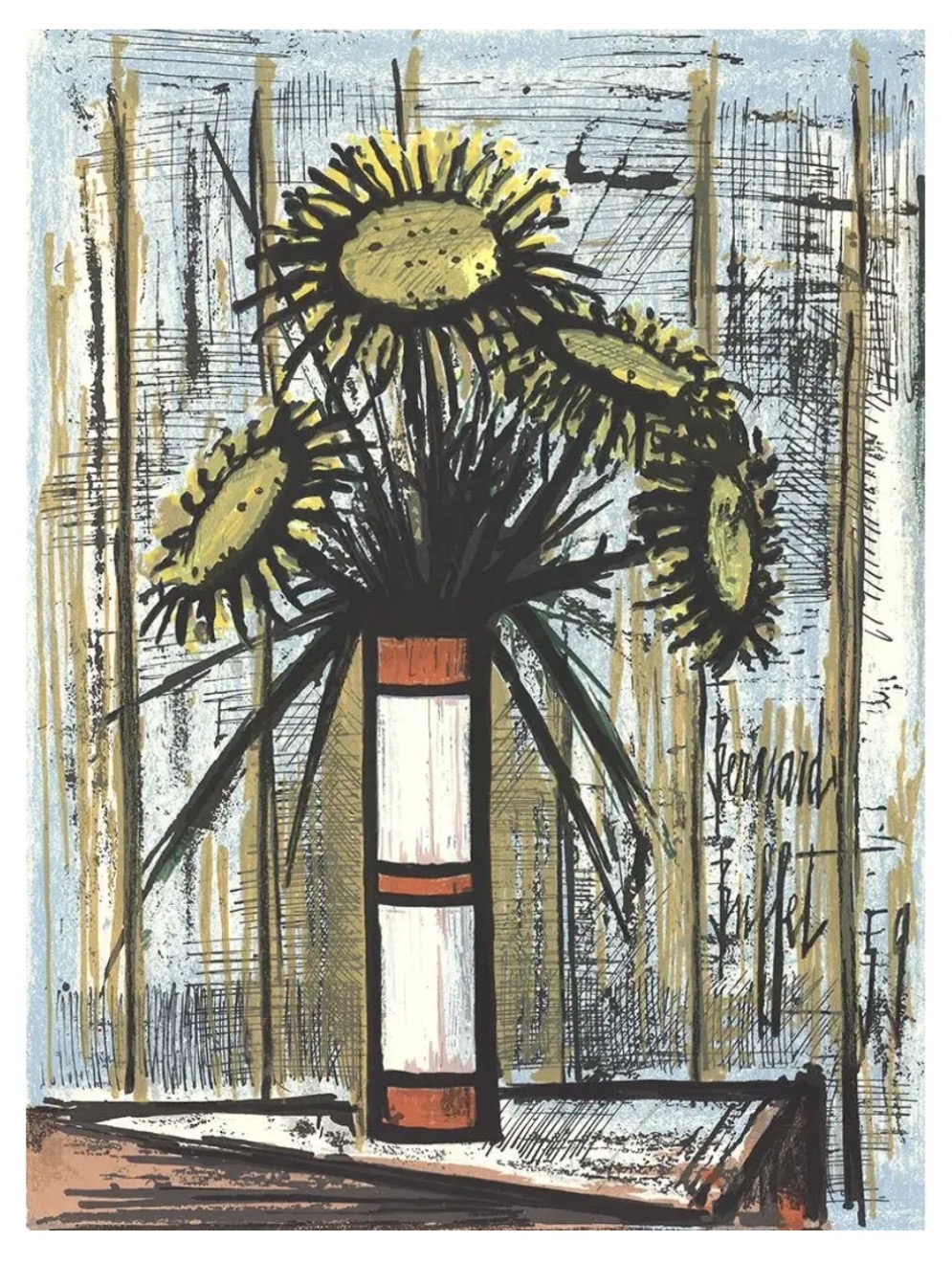
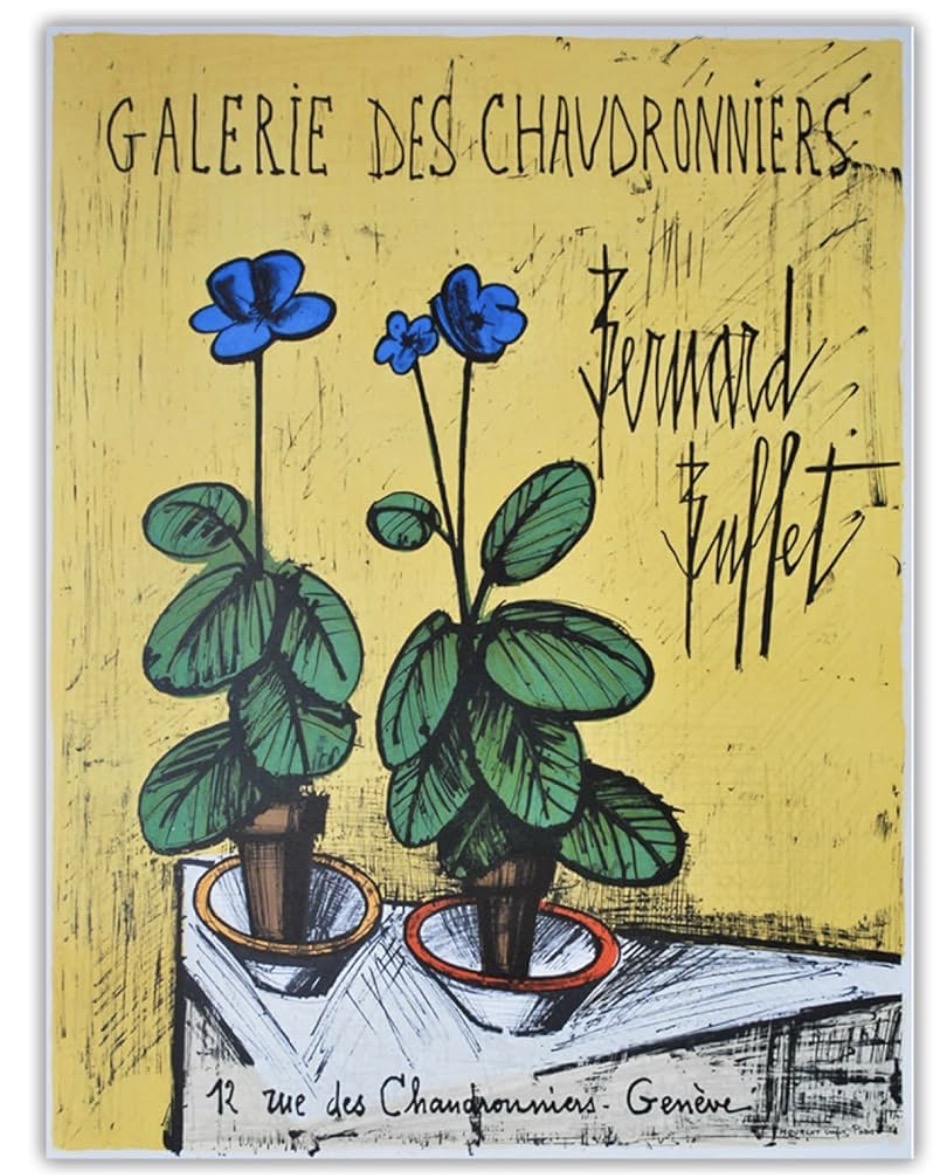
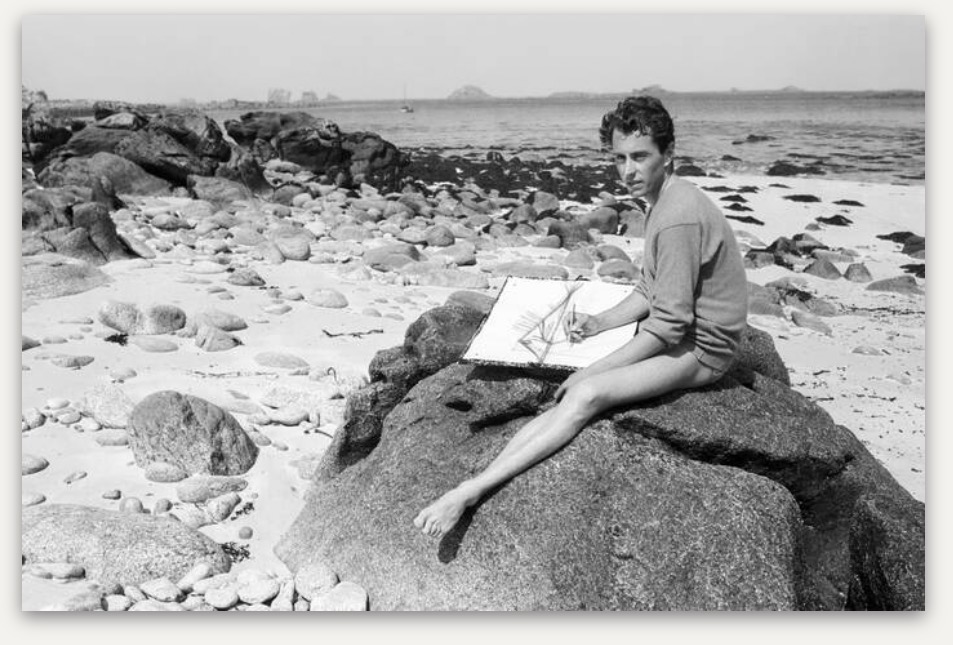
Inspiration of the week: Bernard Buffet
Bernard Buffet (French: ; 10 July 1928 – 4 October 1999) was a French painter, printmaker, and sculptor. An extremely prolific artist, he produced a varied and extensive body of work. His style was exclusively figurative and is often classified as Expressionist or “miserabilist”. Buffet enjoyed worldwide popularity in the 1950s and was often compared to Pablo Picasso for his fame and talent. By the end of the 1950s, however, the public and art community turned strongly against him due to changing artistic tastes, Buffet’s lavish lifestyle, and his extremely prolific output. The 21st century saw a renewed interest in his oeuvre.
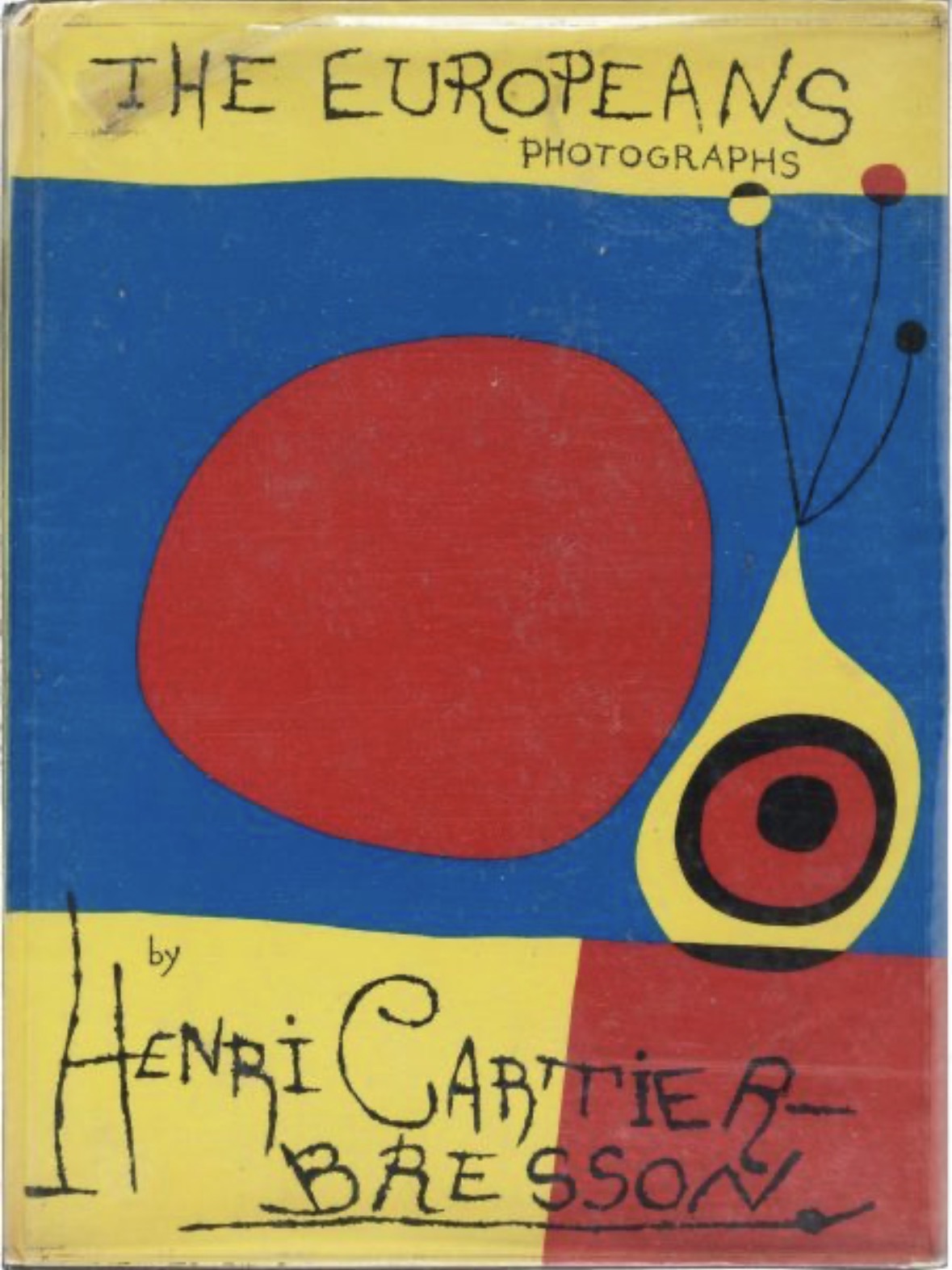
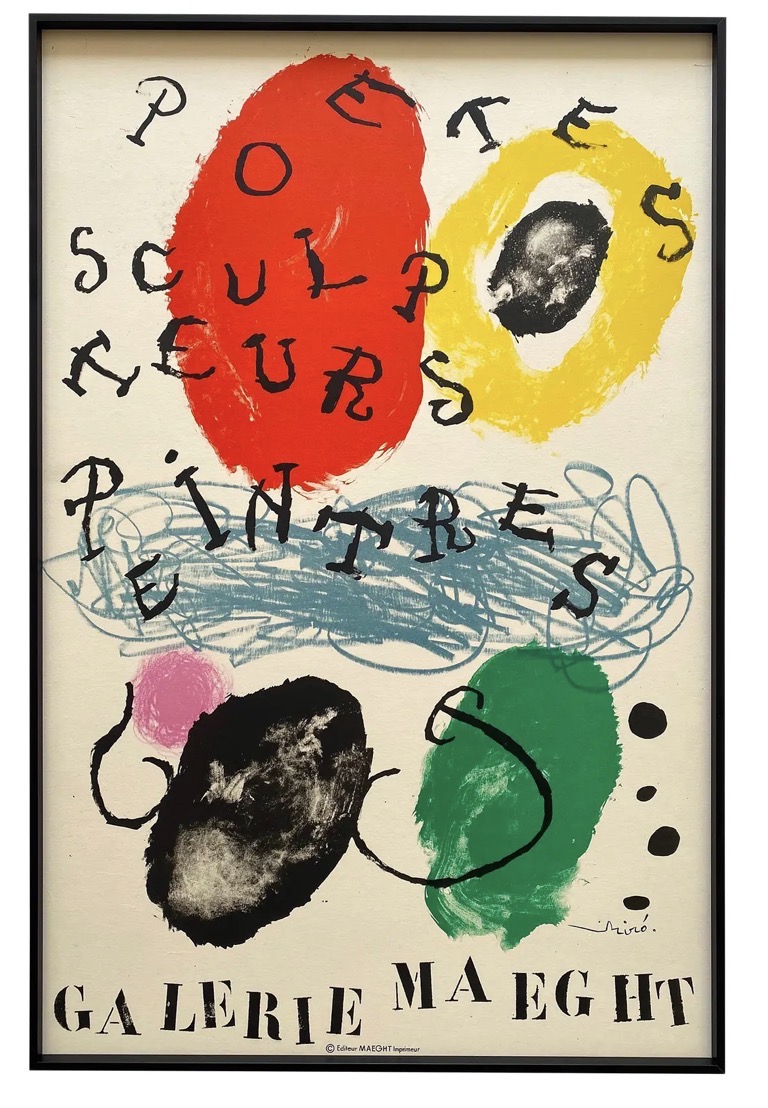
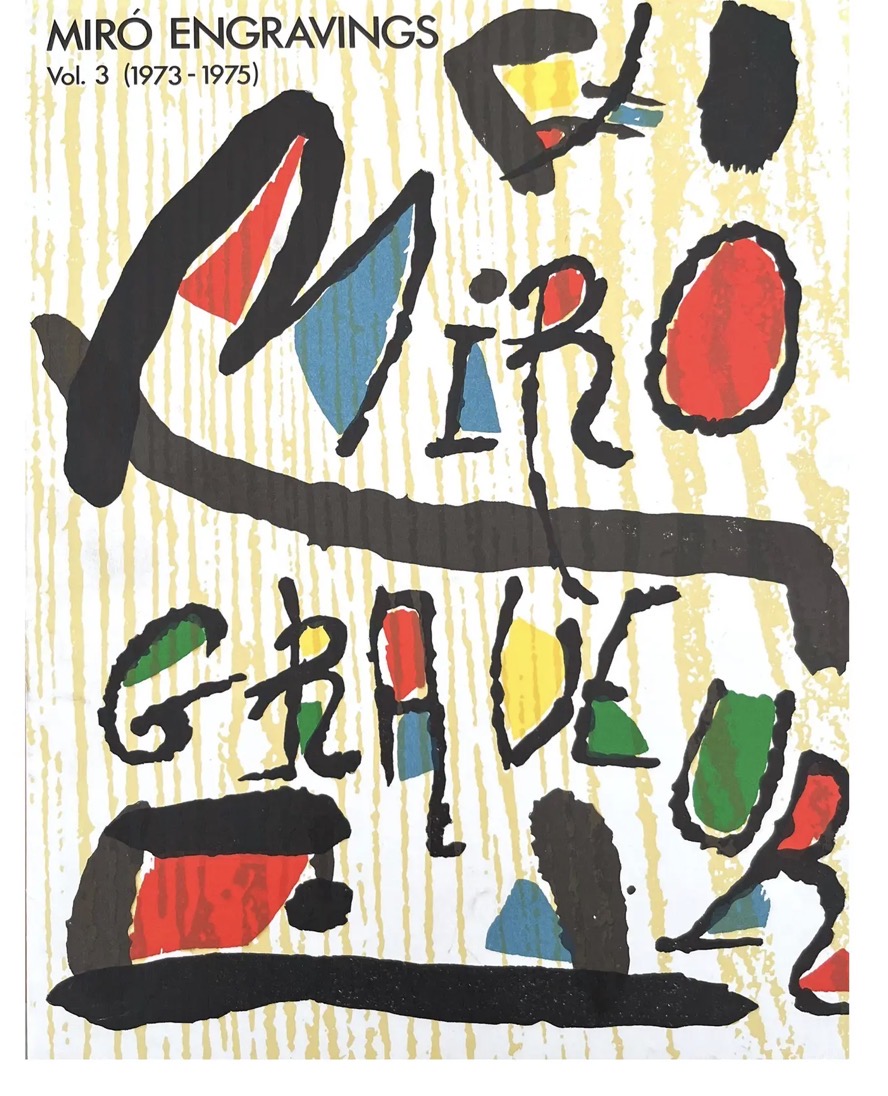
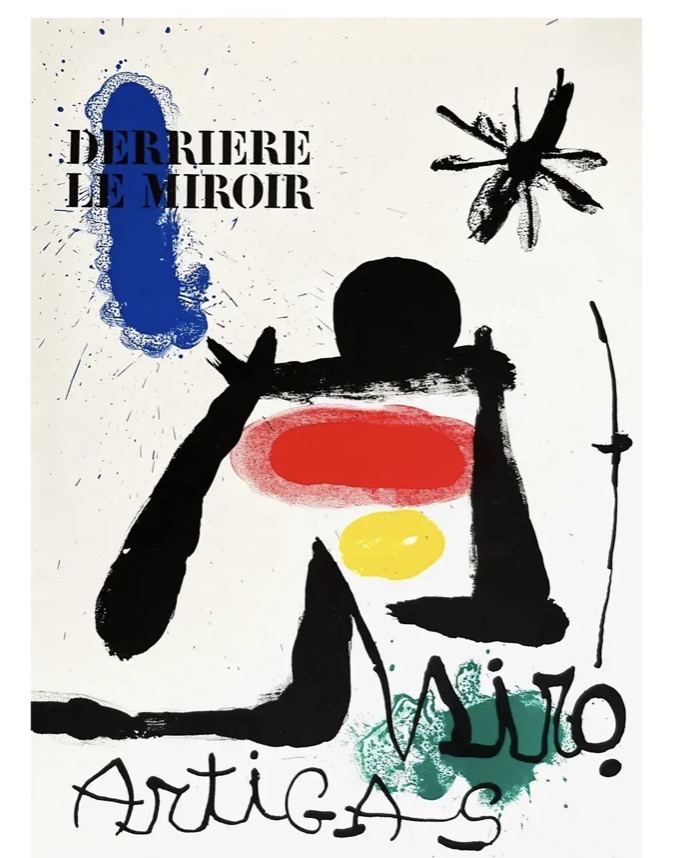
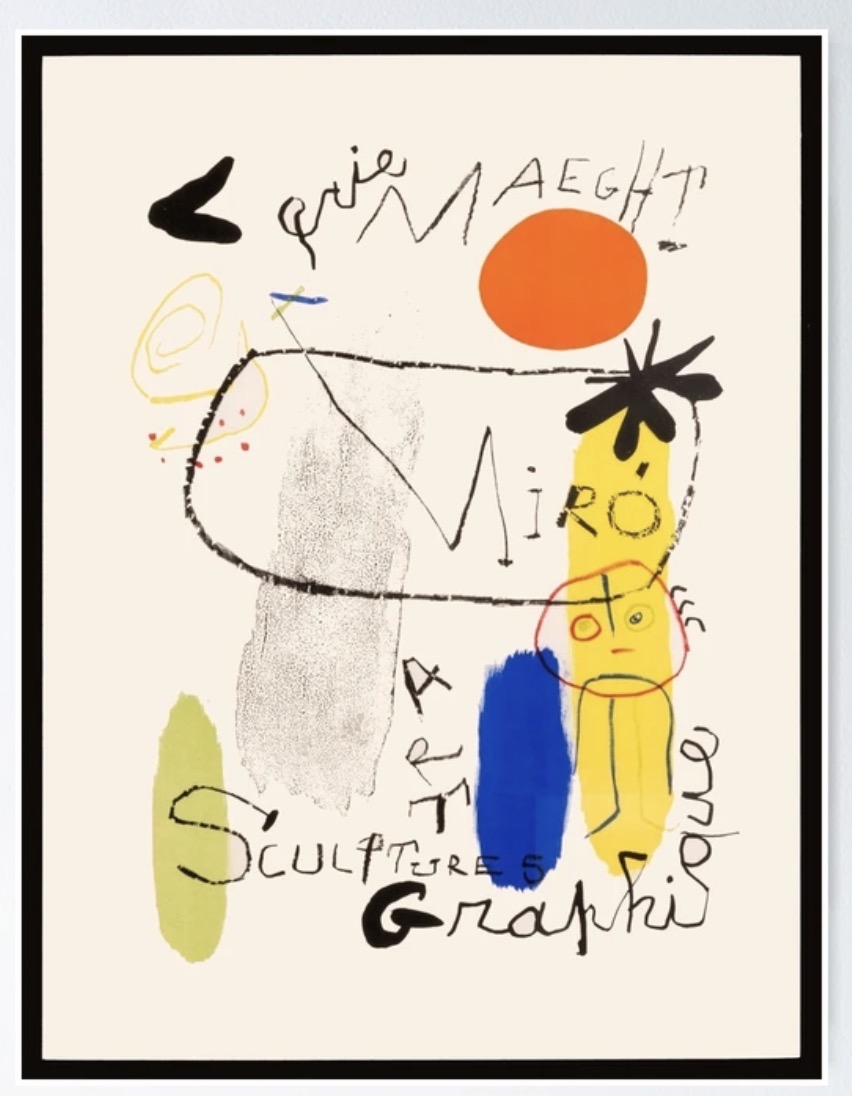
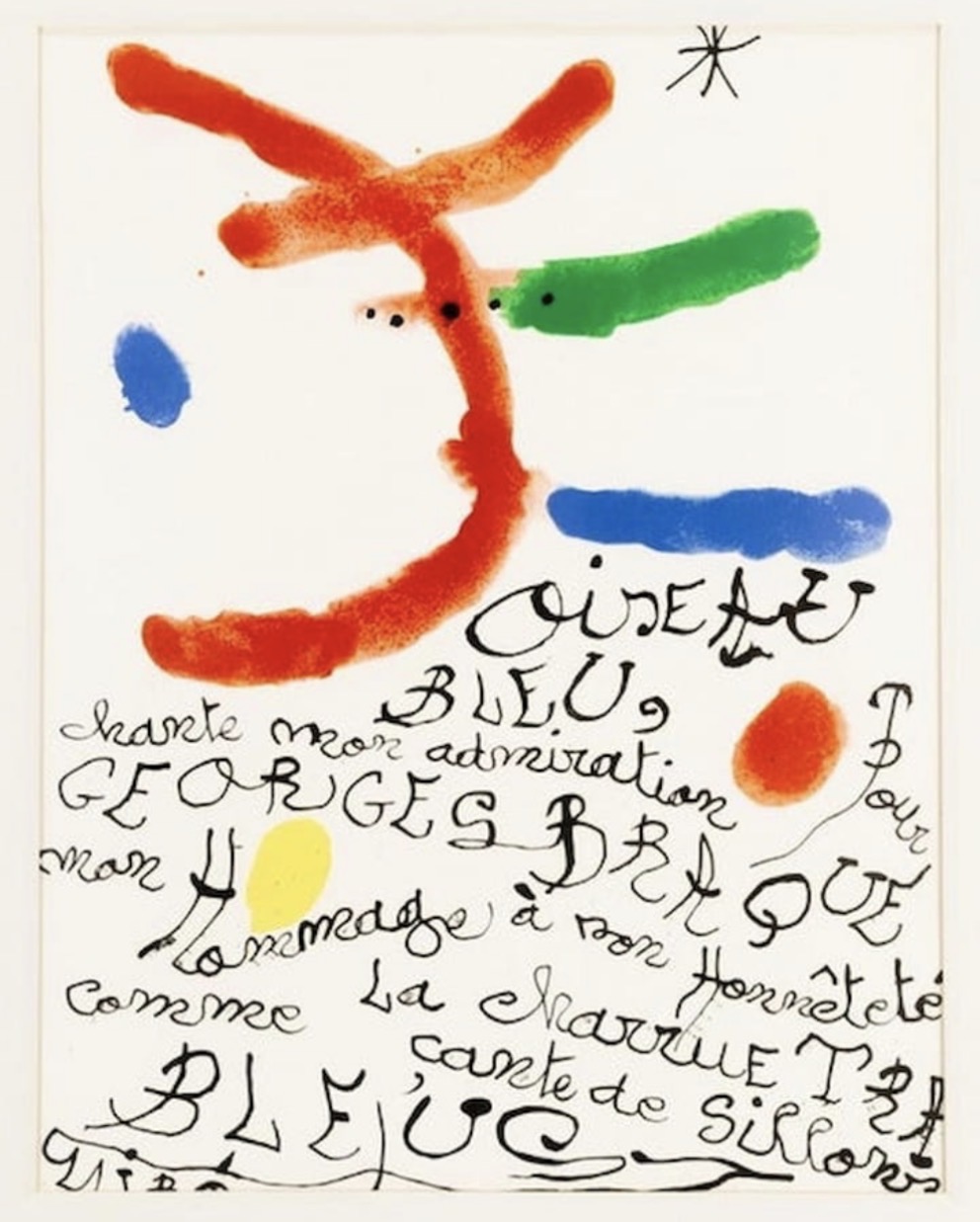
Hand lettering inspiration of the week: Joan Miró
Joan Miró (1893–1983) was a renowned Catalan Spanish painter, sculptor, and ceramicist who pioneered a playful, surrealist style characterized by vivid colors, simplified organic forms, and childlike, poetic imagery. Known for his “dream paintings,” he aimed to “assassinate” conventional painting, blending, drawing, and abstract shapes to evoke the subconscious.Key Aspects of Joan Miró:
Legacy: A major 20th-century artist, he established the Fundació Joan Miró in Barcelona in 1975, a museum dedicated to his work.
Early Life & Education: Born in Barcelona, he initially worked as a clerk before a mental breakdown led his parents to allow him to pursue art, studying at the Academy Gali.
Surrealist Influence: In 1920, he moved to Paris, where he was heavily influenced by Surrealist poets and painters, joining their movement in 1924.
Style: His work combined Catalan folk traditions with abstract, dreamlike elements—often featuring stars, birds, and women.
Mediums: He experimented widely, creating sculptures, ceramics, tapestries, and over 1,000 fine art prints.