Words and Wildflowers Creative Prompts – Issue 118
We LOVE research and learning as a way to get inspired and boost ideas and creativity!! So, Kenzie and I are going to be sharing the inspiration that we collect here in our second newsletter…. once a week!!!
Here’s how it works:
We provide the inspiration. You interpret it however you wish… any medium, any size. It is meant to inspire lettering and floral art combined together. But, you can:
- Just do the florals, just do the lettering, or combine them together.
- Use the provided quote for your piece or select your own.
- Use colors from one of the inspiration images or select your own favorites
- Create the floral art… as a still life in a vase, a single flower, a border, a pattern, a bouquet
Hope you will create with us and post your work at #wordsandwildflowers2026 and tag @lorisiebert.studio and @snippetsofwhimsy
Quote of the week…
“Creativity is not the possession of some special talent. It’s about the willingness to play.”
— John Cleese
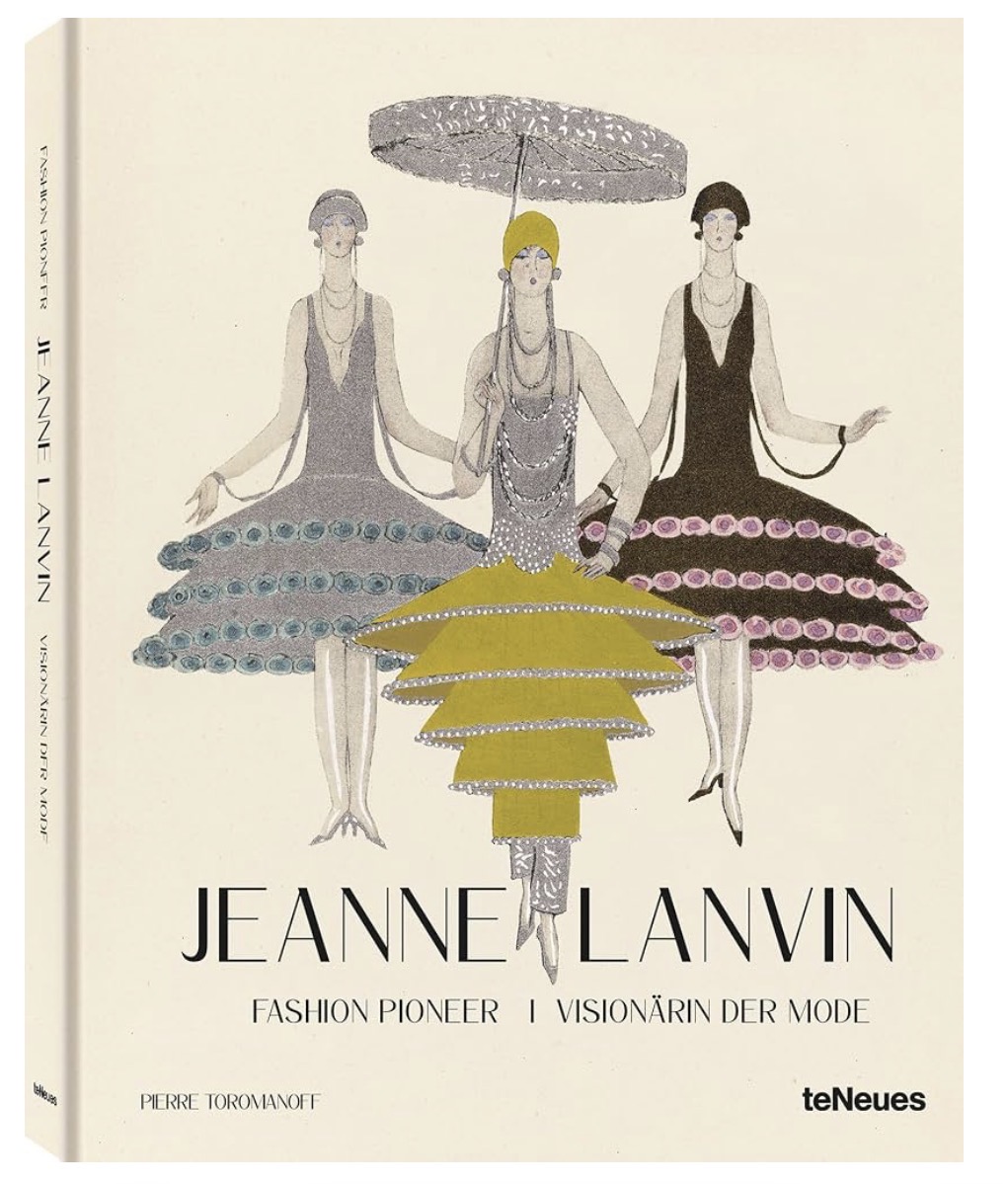
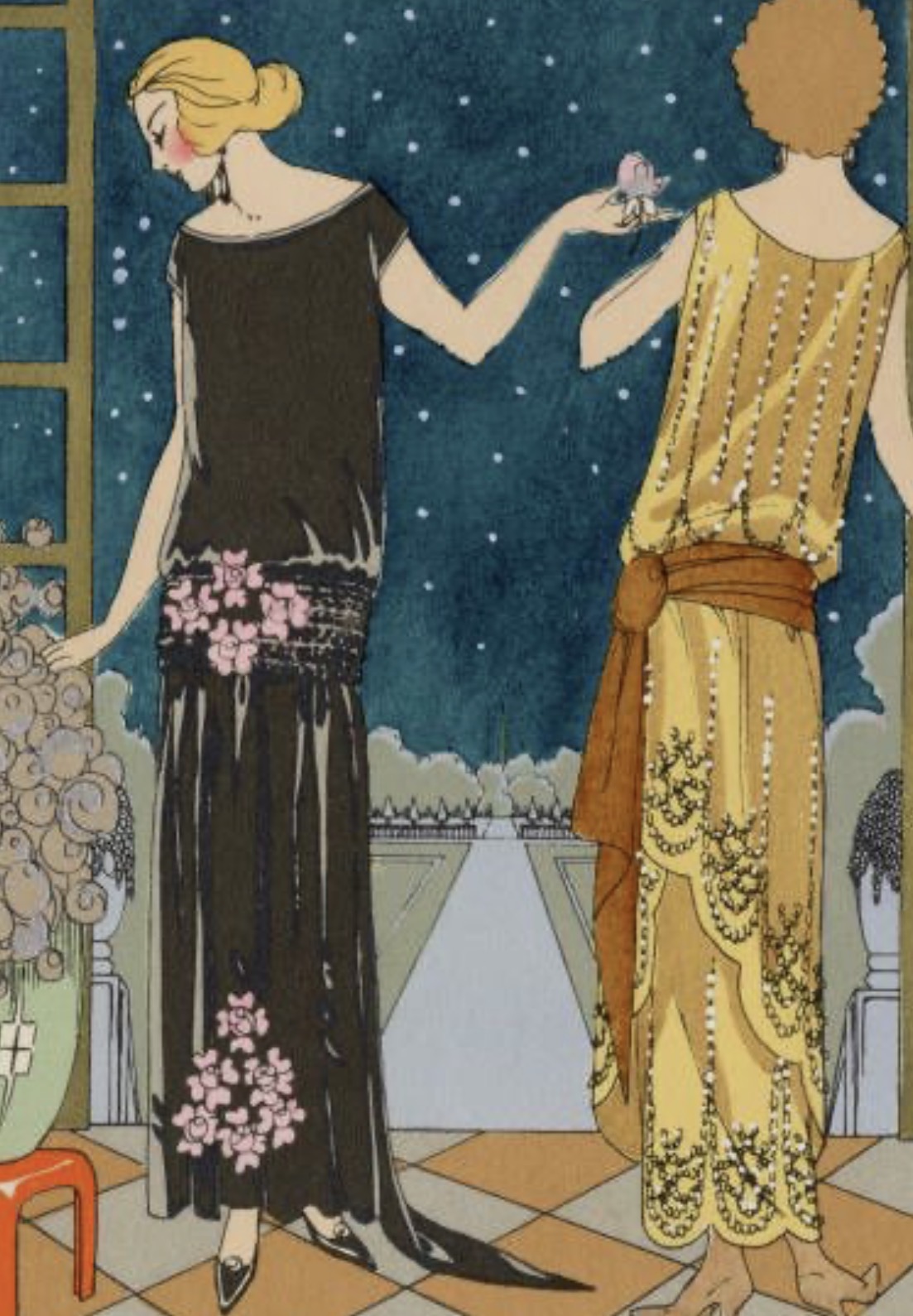
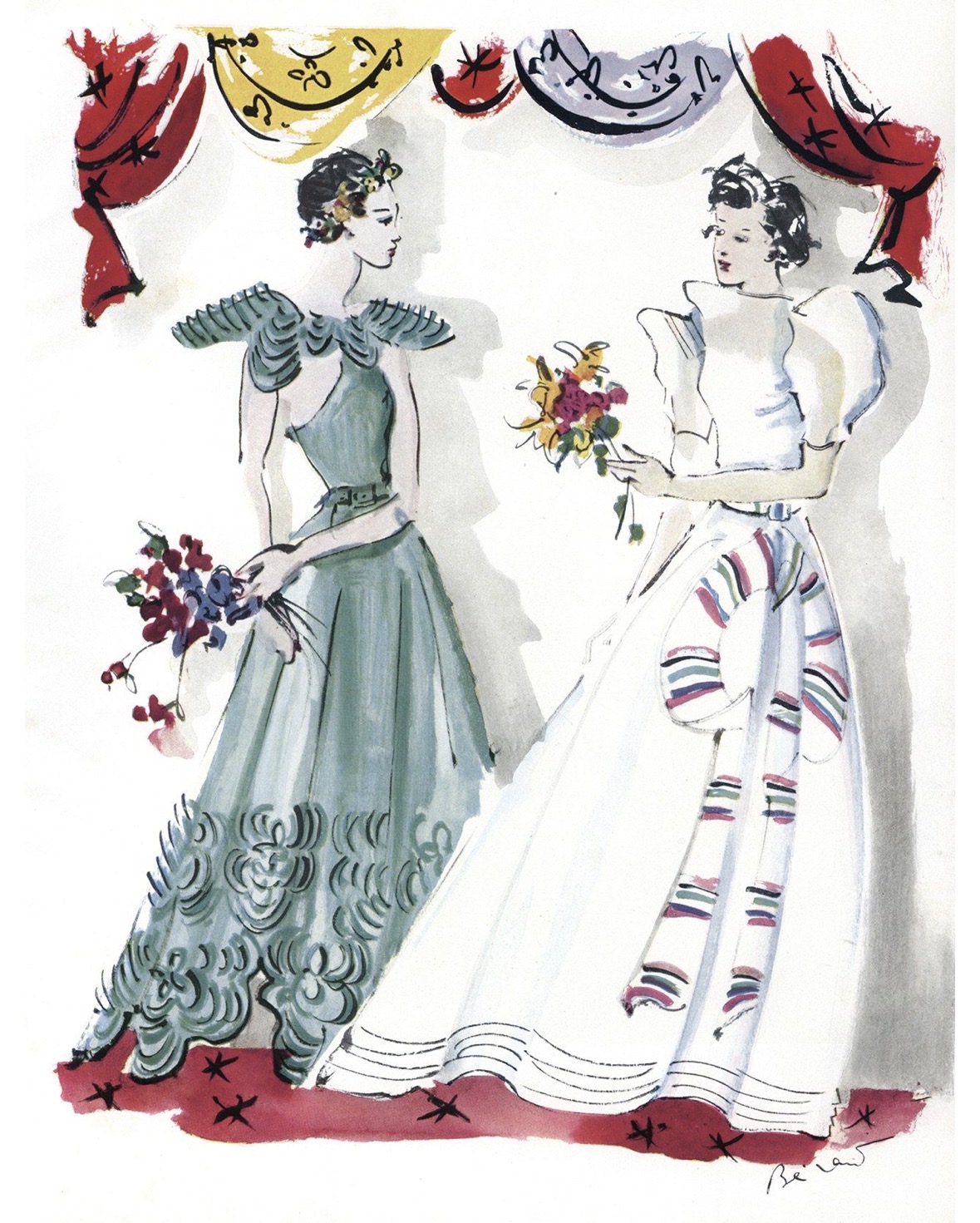
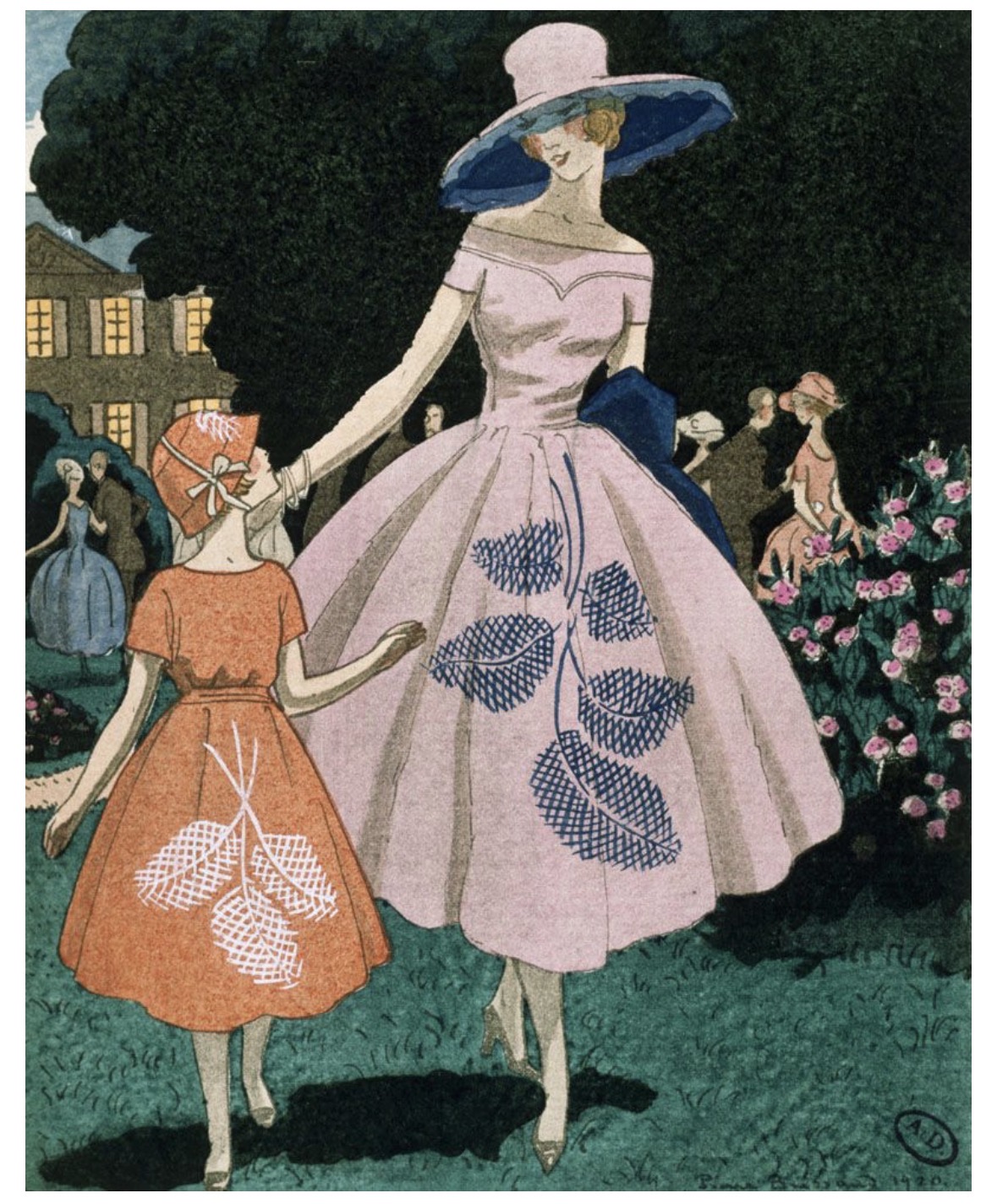
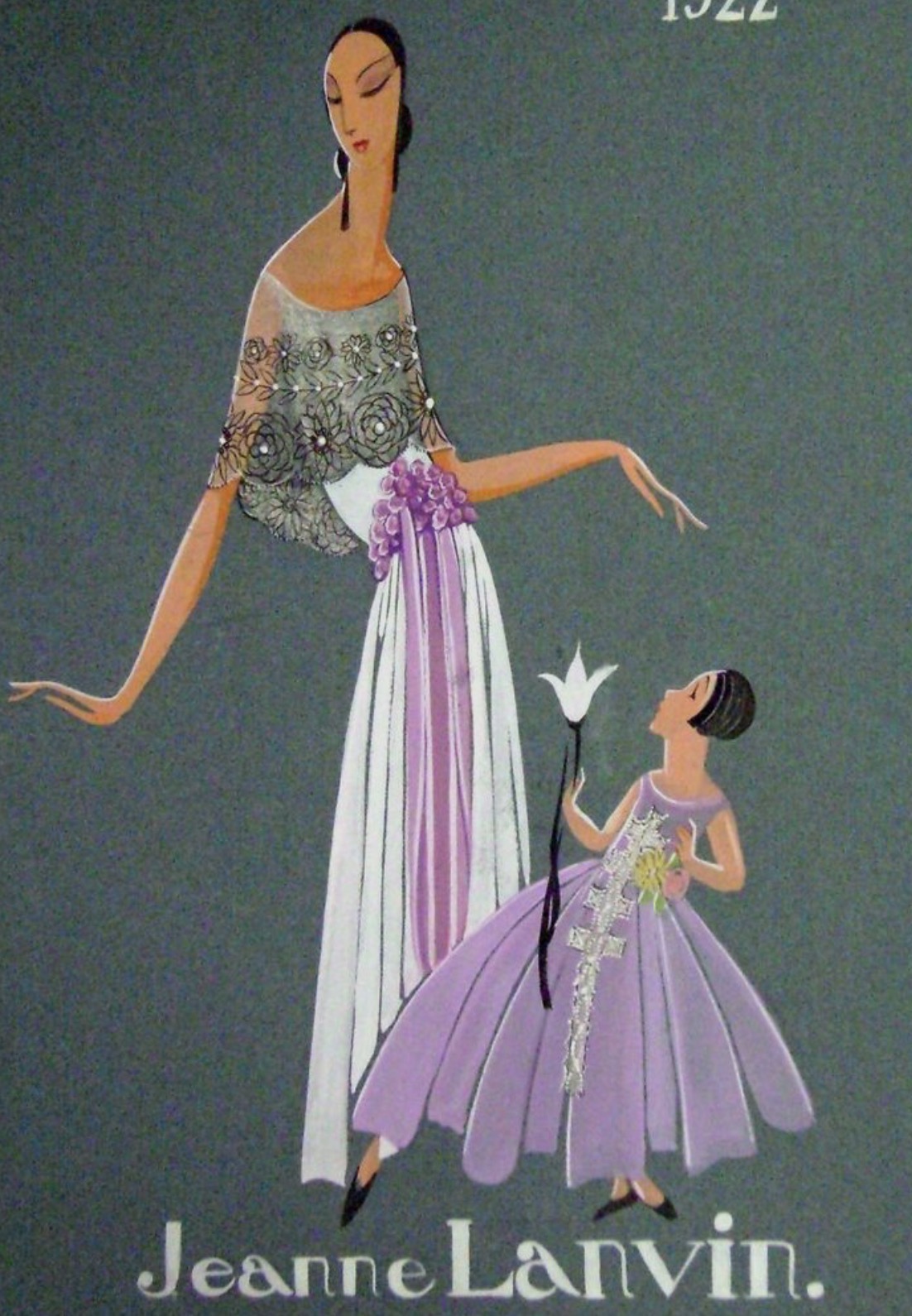
Inspiration of the week: Jeanne Lanvin
Jeanne-Marie Lanvin 1 January 1867 – 6 July 1946) was a French haute couturefashion designer. She founded the Lanvin fashion house and the beautyand perfume company Lanvin Parfums.
In 1909, Lanvin joined the Syndicat de la Couture (fr), which marked her formal status as a couturière. The clothing Lanvin made for her daughter began to attract the attention of a number of wealthy people who requested copies for their own children. Soon, Lanvin was making dresses for their mothers, and some of the most famous names in Europe were included in the clientele of her new boutique on the rue du Faubourg Saint-Honoré in Paris. One of her models Maria Minard was the grandmother of future French actor Alain Delon.
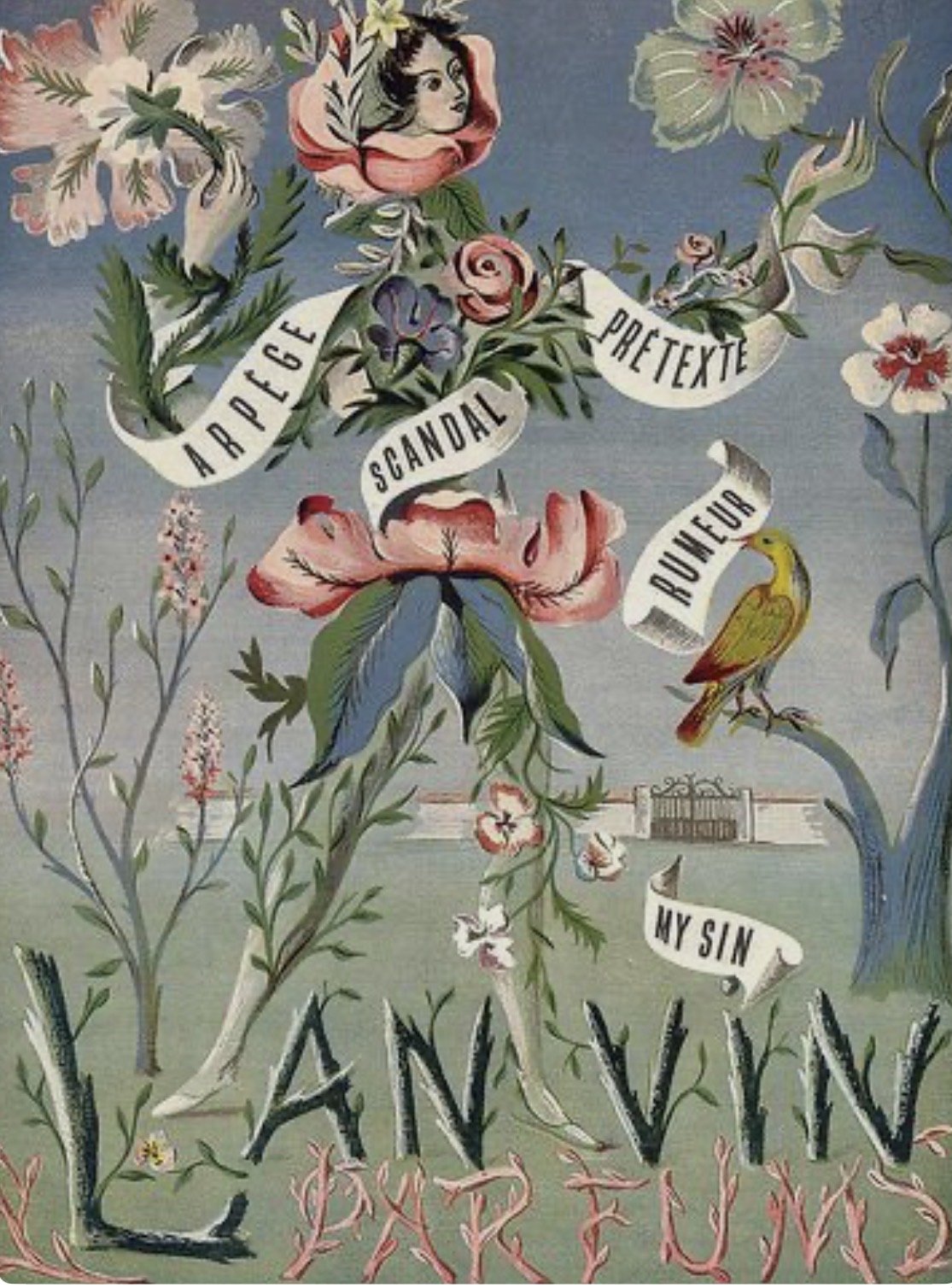
In the 1920s, Lanvin opened shops devoted to home décor, menswear, furs and lingerie. Starting in 1923, the Lanvin empire included a dye factory in Nanterre. Her most significant endeavour was the creation of Lanvin Parfums SA in 1924. Her signature fragrance, Arpège, introduced in 1927, was inspired by the sound of her daughter Marguerite practicing her scales on the piano. (Arpège is French for arpeggio.)
In 1921, Lanvin created Lanvin Décoration with celebrated architect Armand Albert Rateau. Their first design project was the Theatre Daunou in Paris, owned at the time by actress Jane Renouardt, a friend and client of Lanvin. In 1922, Lanvin collaborated with Rateau in redesigning her apartment, her homes and her businesses. The living room, boudoir and bathroom of the apartment was reassembled in 1985 in the Musée des Arts Décoratifs, Paris. For this home, Rateau designed some remarkable 1920–22 furniture in bronze.
The pair developed a friendship. Rateau came aboard Lanvin’s empire as manager of Lanvin-Sport, designing the Lanvin spherical La Boule perfume flacon for Arpège, originally produced by the Manufacture Nationale de Sèvres. To this day, Arpège perfume globe, designed by Rateau, are imprinted with Paul Iribe’s gold image (rendered in 1907) of Lanvin and her daughter Marguerite. Rateau also managed Lanvin-Décoration, an interior-design department established in 1920, in the main store on the rue du Faubourg Saint-Honoré.
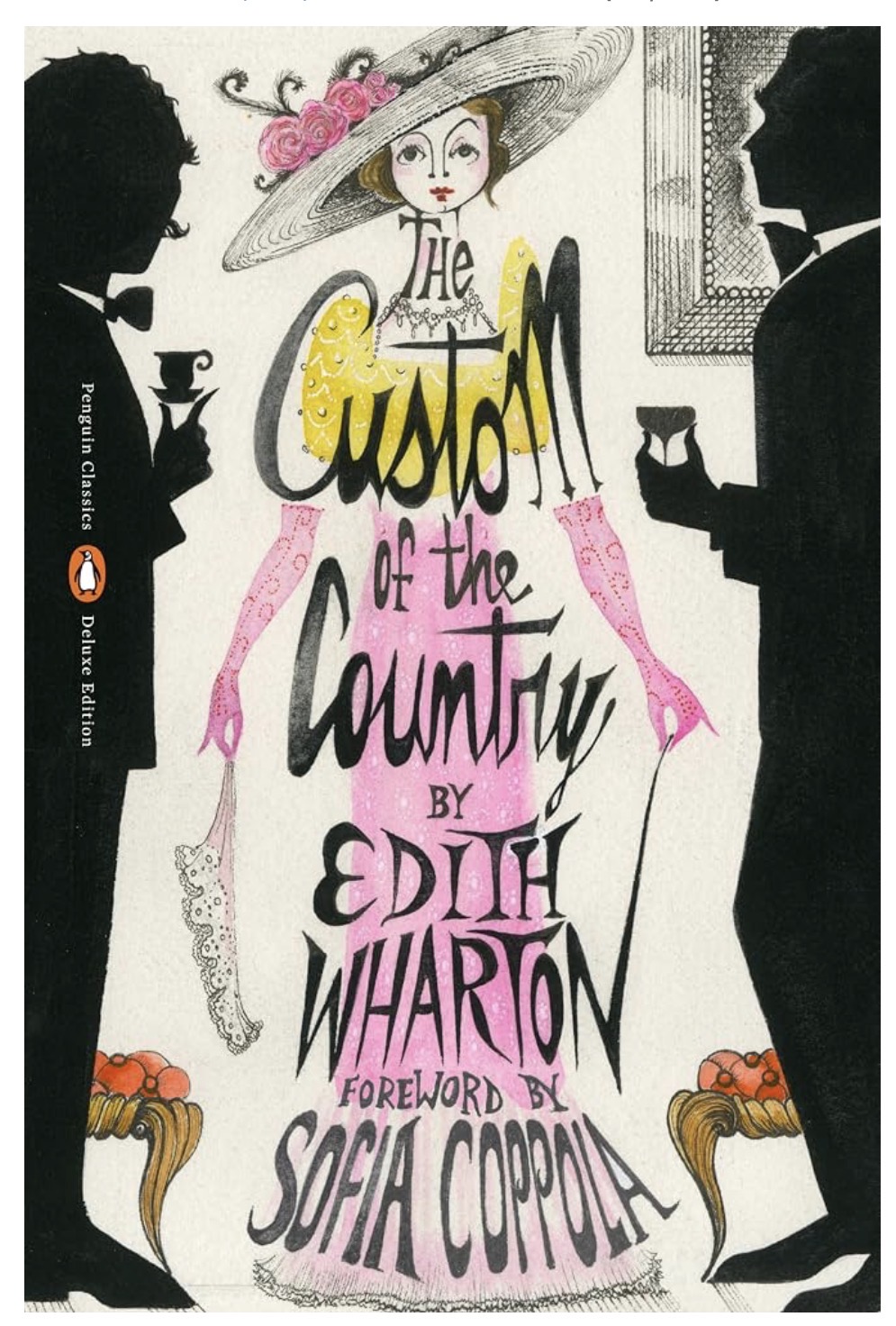
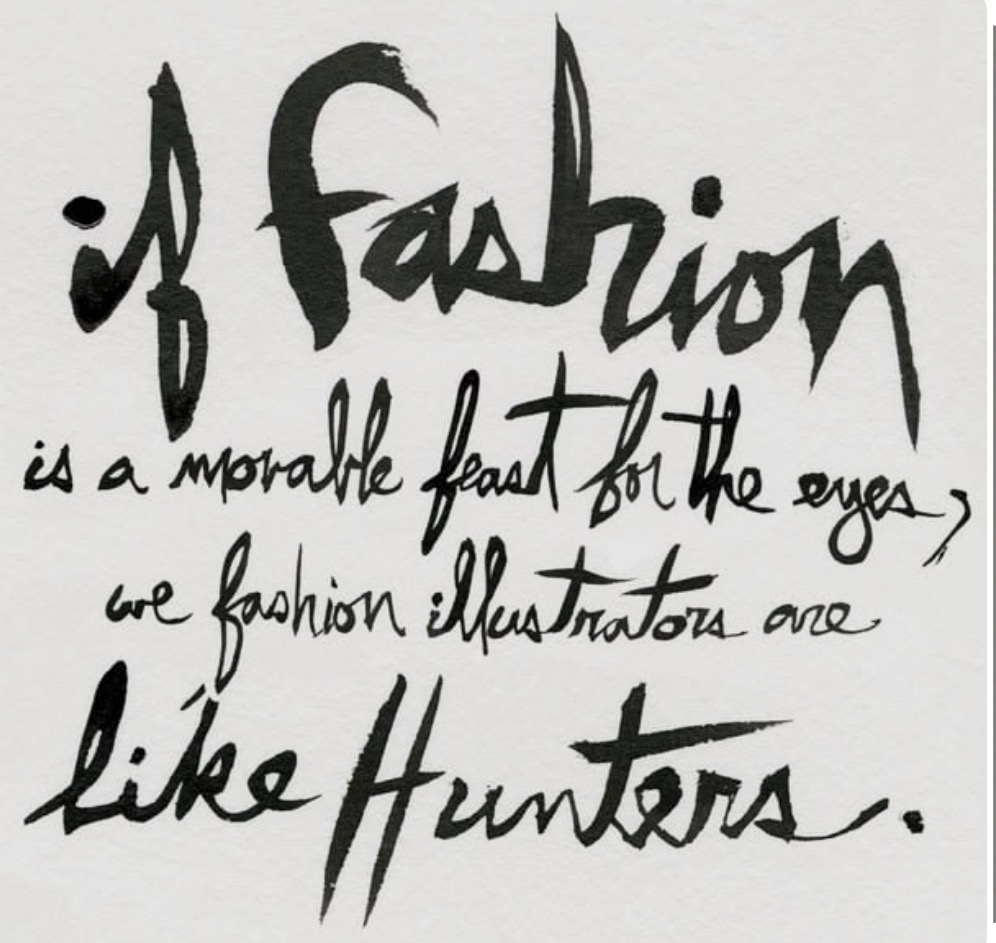
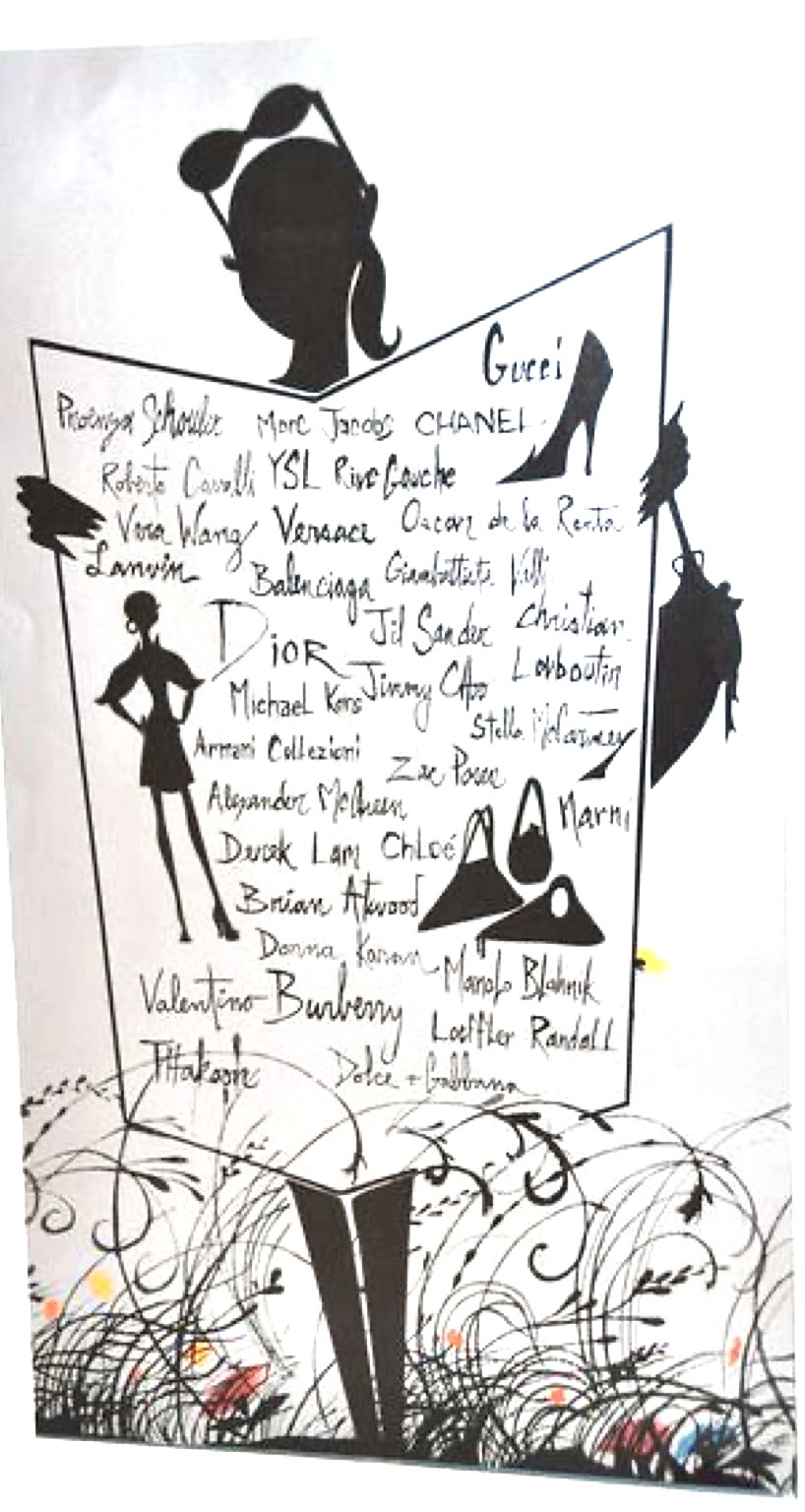
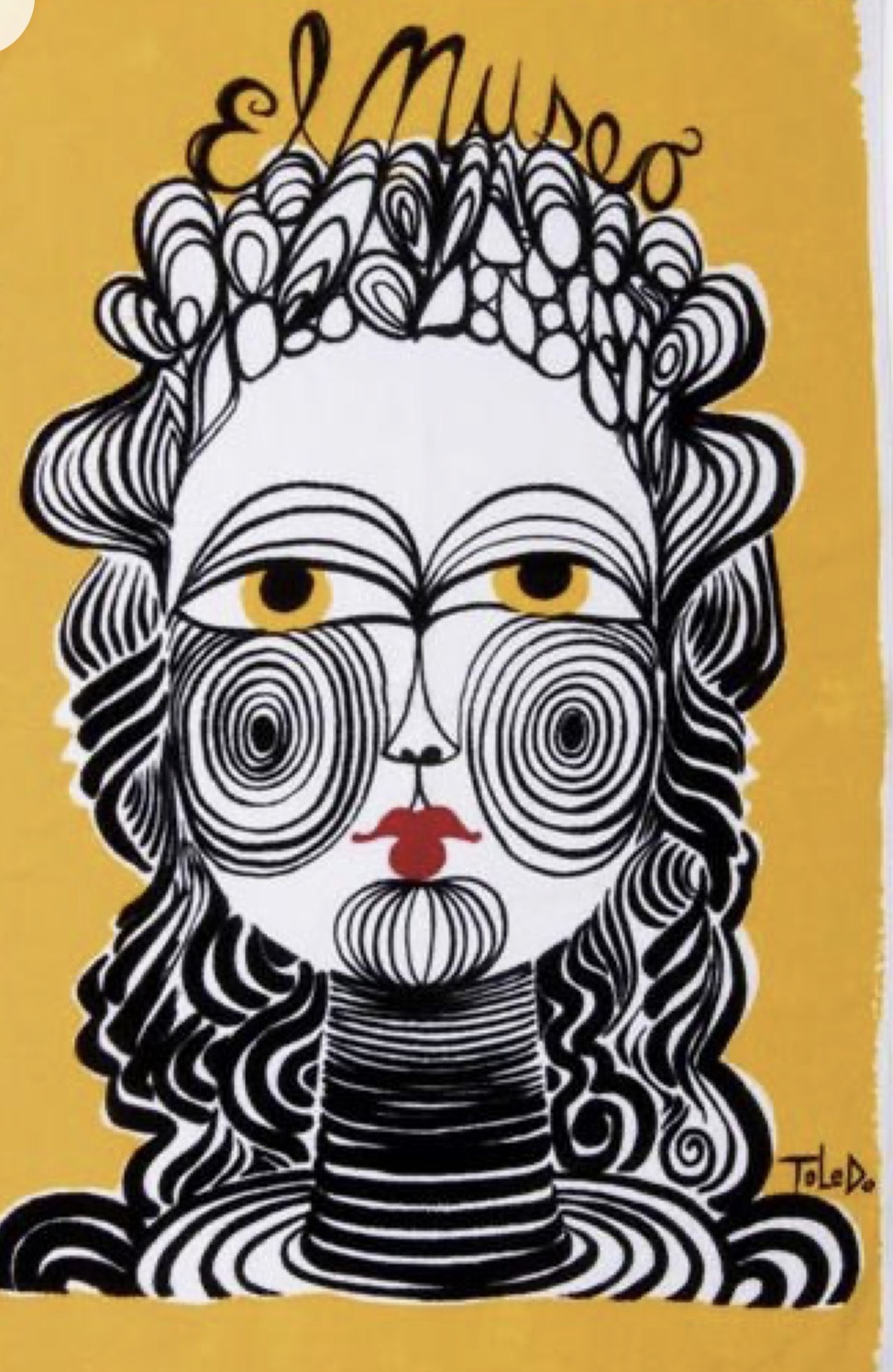
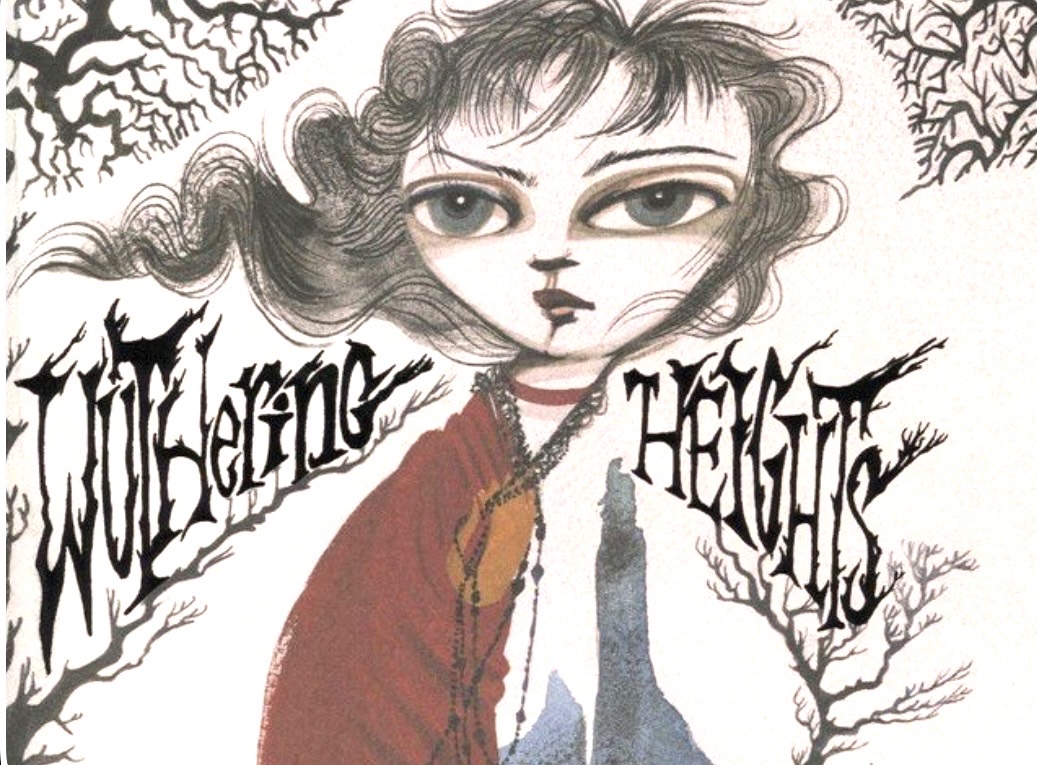
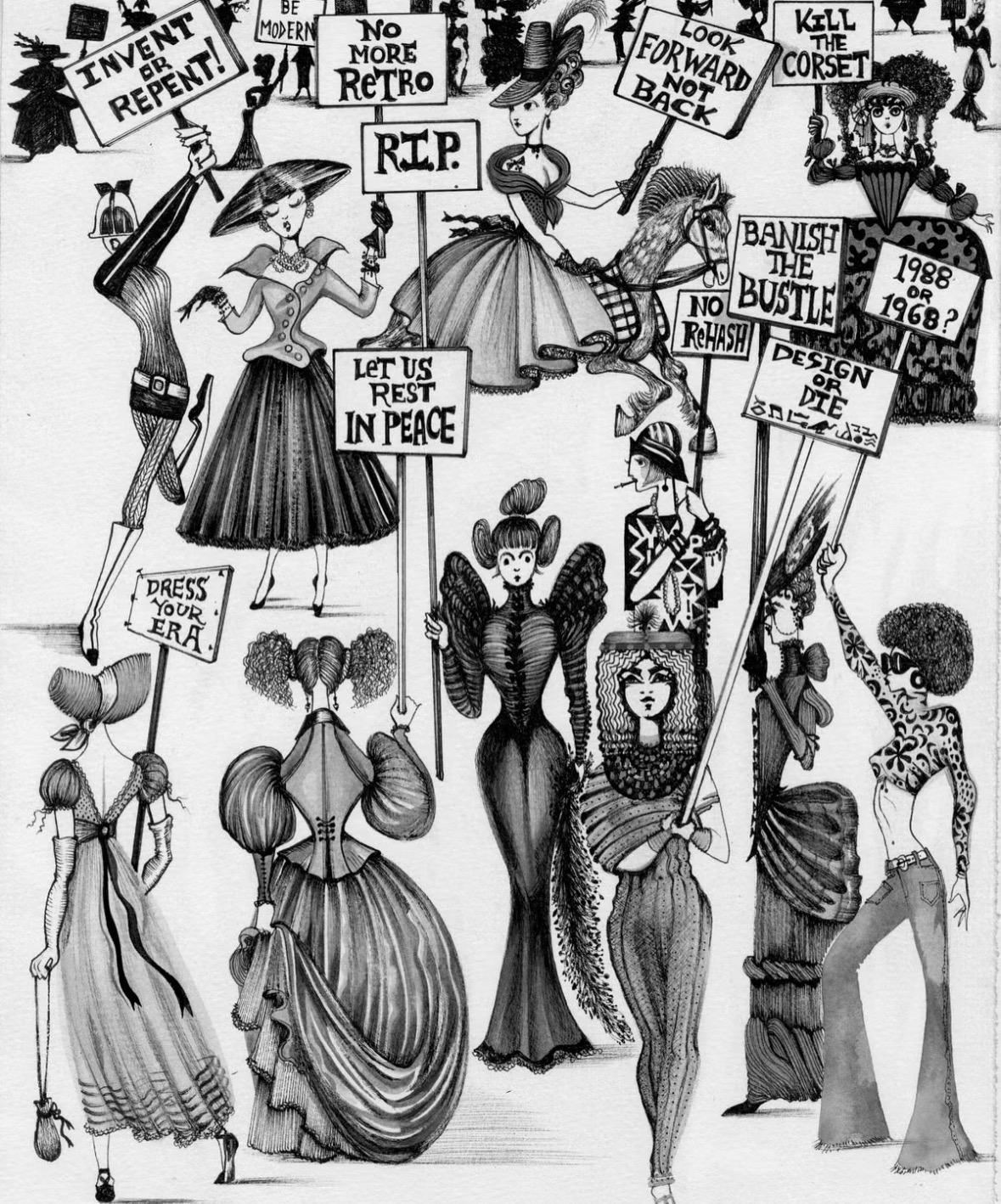
Hand lettering inspiration of the week: Ruben Toledo
Born in Cuba, Ruben Toledo immigrated to New York as a child, where he would later meet Isabel Toledo in an art class at the age of thirteen. Their shared background as Cuban-born immigrants and a mutual passion for art forged a bond that would define their lives and careers. Early in his artistic journey, Toledo collaborated with Elio Fiorucci, showcasing his art and connecting with influential figures like Andy Warhol, who encouraged the young artist’s endeavors. This formative period laid the groundwork for his future in the art and fashion worlds, eventually leading to his marriage to Isabel in 1984.
Ruben and Isabel Toledo cultivated a unique and inseparable creative partnership, each serving as the other’s lifelong muse. He often sketched her designs, and her architectural garments were frequently inspired by his gestural brushstrokes. Their collaborative efforts quickly gained traction, culminating in their brand’s debut at New York Fashion Week in 1985 and subsequent representation in prominent retailers globally. Their studios, located in significant downtown Manhattan spaces including Times Square and the former atelier of Art Kane, were central to the city’s vibrant art scene, fostering a continuous flow of creative exchange.
Toledo’s artistic practice extends beyond fashion illustration to encompass mannequin design, painting, and sculpture, demonstrating a versatility that has characterized his career. He notably collaborated with gallerist Ralph Pucci since 1988 on mannequin projects. While initially working extensively in black and white, Isabel encouraged him to integrate more color into his palette, a development that further enriched his aesthetic. The couple’s work achieved broader public recognition when Isabel designed the iconic lemongrass inauguration ensemble for First Lady Michelle Obama in 2009. Following Isabel’s passing in 2019, Ruben has dedicated himself to preserving their shared legacy, seeing himself as the custodian of their collective body of work and a proponent for their enduring artistic narrative.